 Site Type
 Featured
 Fonts
Fonts Skins
Skins
“Whoever drinks of the water that I shall give will never thirstâ€
[powerpress]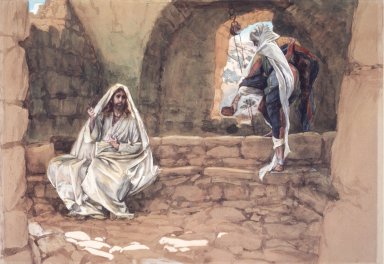
an excerpt from today’s reflection by Don Schwager:
Would you give water to somebody who snubbed you or treated you like an enemy? Jesus did just that and more! He treated Samaritans, the sworn enemies of the Jews, with great kindness and respect. The Jews and the Samaritans who lived in Israel between Galilee and Judaea, had been divided for centuries. They had no dealings with one another, avoiding all social contact, even trade, and inter-marriage. If their paths crossed it would not be unusual for hostility to break out. When Jesus decided to pass through Samaria he stopped at Jacob’s well because it was mid-day and he was both exhausted and thirsty. Jacob’s well was a good mile and a half from the nearest town, called Sychar. It wasn’t easy to draw water from this well since it was over a hundred feet deep. Jesus had neither rope nor bucket to fetch the water. When a Samaritan woman showed up at the well, both were caught by surprise. Why would a Samaritan woman walk a mile and a half in the mid-day heat to fetch her water at a remote well rather than in the local town? She was an outcast and not welcomed among her townspeople. Jesus then did something no respectable Jew would think of doing. He reached out to a Samaritan, thus risking ritual impurity and scorn from his fellow Jews. He also did something no strict Rabbi would dare to do in public without loss to his reputation. He greeted the woman and spoke openly with her. Not only was she a woman, but an adulteress and public sinner as well. No decent Jew or Samaritan would even think of being seen with such a woman, let alone exchanging a word with her!
Jesus broke through the barriers of prejudice, hostility, and tradition to bring the good news of peace and reconciliation to Jews, Samaritans, and Gentiles alike. He demonstrated the universality of the gospel both in word and deed. No one is barred from the love of God and the good news of salvation. There is only one thing that can keep us from God and his redeeming love – our stubborn pride and wilful rebellion.
What is the point of Jesus’ exchange with the Samaritan woman about water? Water in the arid land was scarce. Jacob’s well was located in a strategic fork of the road between Samaria and Galilee. One can live without food for several days, but not without water. Water is a source of life and growth for all living things. When rain came to the desert, the water transformed the wasteland into a fertile field. The kind of water which Jesus spoke about was living, running, fresh, pure water. Fresh water from a cool running stream was always preferred to the still water one might find in a pool or resevoir. When the Israelites complained about lack of water in the wilderness, God instructed Moses to strike the rock and a stream of fresh living water gushed out (Exodus17:6 ). Even though the Israelites did not trust God to care for them in the wilderness, God, nonetheless gave them abundant water and provision through the intercession of his servant Moses.
The image of “living water” is used throughout the scriptures as a symbol of God’s wisdom, a wisdom that imparts life and blessing to all who receive it. “The teaching of the wise is a fountain of life†(Proverbs 13:14). “Living water” was also a symbol for the Jews of thirst of the soul for God. The water which Jesus spoke of symbolized the Holy Spirit and his work of recreating us in God’s image and sustaining in us the new life which comes from God. The life which the Holy Spirit produces in us makes us a “new creation” in Jesus Christ (2 Corinthians 5:17). Do you thirst for God and for the life of the Holy Spirit within you?
“Lord Jesus, my soul thirsts for you. Fill me with your Holy Spirit that I may always find joy in your presence and take delight in doing your will.â€
for the full reflection visit : Daily Reading and Meditation
Tags: Jesus, Samaritan, Samaritans
This entry was posted on Sunday, March 23rd, 2014 at 12:01 am
You can follow any responses to this entry through the RSS 2.0 feed.
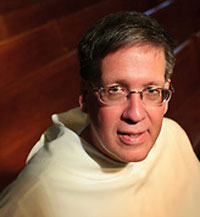 Episode 5 St. Catherine of Siena: Her Life and Teachings with Fr. Thomas McDermott
[powerpress]
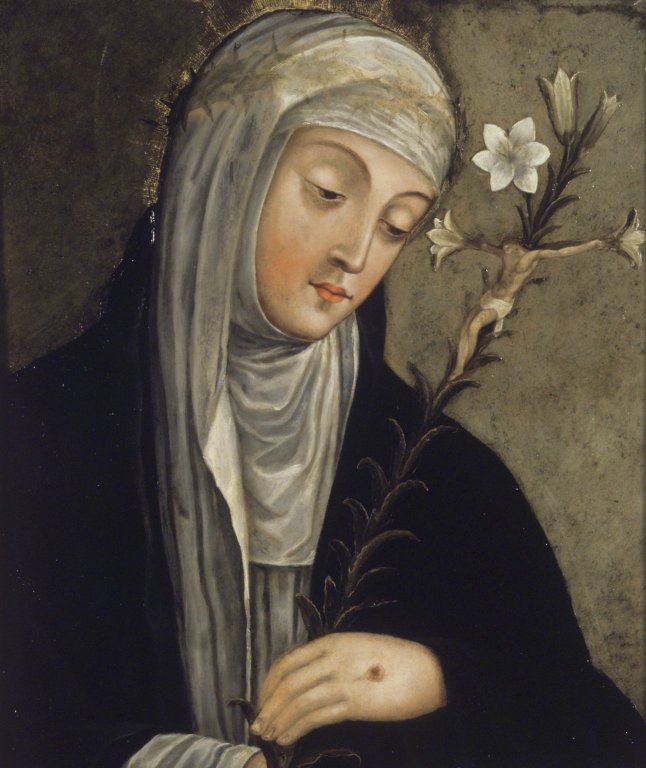 In this episode, Fr. McDermott  begins a more generalized discussion on the teachings of St. Catherine of Siena.
Fr. McDermott speaks of “The Dialogue” and how it came to be.  Some of the basic teachings of St. Catherine are presented such as “The Truth of God the Father”.  He relates the motto of the  Dominican order, “Veritas” (Truth), was foundational for St. Catherine.  The Supreme Truth about God and the truth of the human person.  Fr. McDermott also touches on St. Catherine’s teachings on sin, selfish self-love in particular.  How do we arrive at “truth”?  Prayer is key, along with the Scriptures and the Sacraments.  Also St. Catherine’s teachings on discernment, humility, love, patience and obedience, as well as, the doctrine of deification, is addressed.
Fr. Thomas McDermott, OP is Regent of Studies for the Dominican Province of St. Albert the Great and is the author of “Catherine of Siena: Spiritual Development in Her Life and Teaching” (Paulist, 2008) and “Filled with all the Fullness of God: An Introduction to Catholic Spirituality”. He obtained a doctorate in spiritual theology from the Angelicum and taught for several years at Kenrick-Glennon Seminary in St. Louis. He crrently serves as pastor at St. Vincent Ferrer, in Chicago, IL.
Our series is based on “Catherine of Siena”
by Fr. McDermott
Tags: McDermott, st catherine of siena, Thomas McDermott
This entry was posted on Friday, March 21st, 2014 at 2:37 pm
You can follow any responses to this entry through the RSS 2.0 feed.
 Episode 13- Seeking Truth with Sharon Doran -Announcement of the Kingdom Of God (PART 1) [powerpress]
Episode 13 –
Call of the Apostles (part 1)
“Go away from me Lord, for I am a sinful man.â€
These are the words of Peter when he realizes he is in the presence of the Lord. But as Sharon teaches us tonight, Jesus is not afraid of sin and he stays, calling Peter on to become the Rock upon which he will build his Church. In what can only be described as a moving and anointed lecture, Sharon describes the call of the Apostles and the creation of the Apostolic succession that extends to our modern times. Jesus commanded these fishers of men to “Cast out into the deep and let down your nets for a catch.†This too is our call: to grow ever deeper in relationship with our Lord.
Sharon Doran serves as the teaching director of “Seeking Truth.†An experienced Bible Study teacher, Sharon has a passion for scripture that will motivate and challenge you to immerse yourself in God’s Word and apply His message to your every day life.
 “Seeking Truth†is an in depth Catholic Bible Study, commissioned by the Archdiocese of Omaha in response to John Paul II’s call to the New Evangelization as well as Pope Benedict XVI’s exhortation for all Catholics to study scripture. To learn more go to:www.seekingtruth.net
Tags: kingdom of god, Sharon, Sharon Doran, Sharon Doran Episode 13
This entry was posted on Friday, March 21st, 2014 at 11:00 am
You can follow any responses to this entry through the RSS 2.0 feed.
Is Jesus Calling? A Spiritual Guide to Discerning Your Vocational Call with Fr. Paul 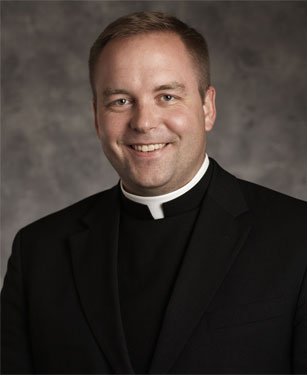 Hoesing – episode 6:
The Eighth Spiritual Lesson: The will of the spirit against Christ is revealed in fear. “This spirit against Christ drives a man by a fear of something false. Â While the Spirit of Christ draws a man by a peaceful presence to something that is true.”
Questions: Does your fear come when you are desiring to do God’s wil and the the thought of you choosing not to do His wil causes your fear?  Or, rather, does your fear come when you are focused on what you want and the thought that God might want something different makes you afraid;  if so, identify that as the will of the spirit against Christ and turn away from it, inviting Christ into the situation by repeating a simple prayer like, “Jesus I trust in you!”
[powerpress feed]
 The Ninth Spiritual Lesson: You must stand firm in faith in what you received from God. “This is the essential choice.  If one dos not make this choice, his spiritual life will be the experience of a ping pong ball, bouncing back and forth, believing one desire one day and the opposite one the next.  He will be a confused man.”
Questions: Do you have moments in prayer where the next step you are to take becomes quite clear from the experience of the peace of Christ, but then you believe and follow the thoughts ,  feelings and desires in the fear flowing from the spirit against Christ, causing your to change your mind and not move forward?  Identify those movements and cling to Christ during them by praying, “Jesus, I I trust in you.”
Based on “Is Jesus Calling You To Be A Catholic Priest: A helpful guide”, published by National Conference of Diocesan Vocation Director.
Fr. Paul Hoesing serves as the Vocation Director for the Archdiocese of Omaha, NE.
Check out “For Your Vocation.org“
Tags: catholic, catholic podcast, catholic prayer
This entry was posted on Friday, March 21st, 2014 at 6:15 am
You can follow any responses to this entry through the RSS 2.0 feed.
WOL2 – Episode 2 – What is “Evangelium Vitae (The Gospel of Life)”?   What does this have to do with Liberal Modernity?  What is wrong with public culture we now have?  What is the Culture of Death?  Are there defects that go at the deepest foundational levels of our culture that have led to this behavior?  Human dignity has to be recognized on all levels.  Who was Thomas Hobbes, English philosopher and proponent of absolute government?  His life and times? And what are the damaging effects  of his thought on the value of the human person?  What would be Bl. John Paul’s response?
[powerpress]
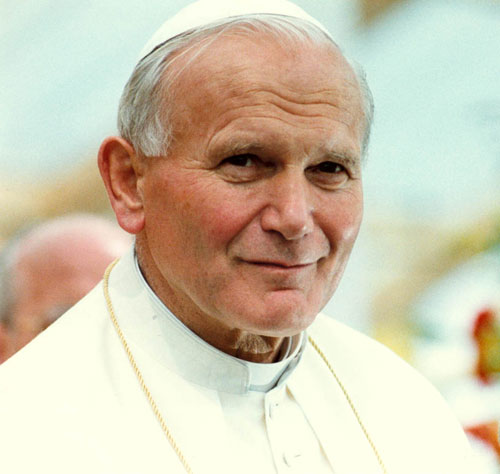
The Way of Life, Carson Holloway examines the fundamental philosophers of modernity-from Hobbes to Toqueville-to suggest that John Paul II’s critique of modernity is intended not to reject, but to improve. Thus, claims Holloway, it is appropriate for liberal modernity to attend to the Pope’s thought, receiving it not as the attack of an enemy but as the criticism of a candid friend.
For other episodes in the series visit Dr. Holloway’s Discerning Hearts page
 Â
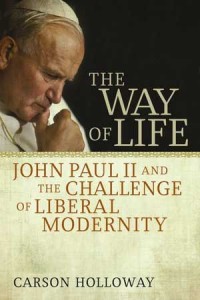
This series is based on Dr. Holloway’s book “The Way of Life”
Tags: catholic, catholic podcast, catholic prayer
This entry was posted on Friday, March 21st, 2014 at 12:30 am
You can follow any responses to this entry through the RSS 2.0 feed.
“They will respect my son“
[powerpress]
an excerpt from today’s reflection by Don Schwager: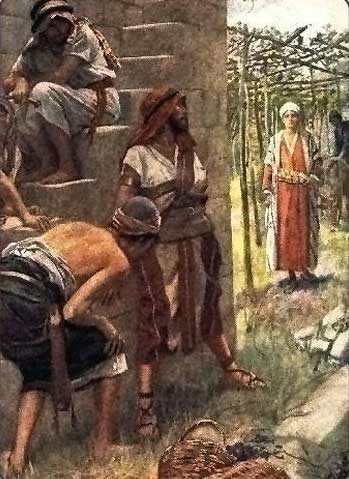
What is the message of the parable of the vineyard? Jesus’ story about an absentee landlord and his not-so-good tenants would have made sense to his audience. The hills of Galilee were lined with numerous vineyards, and it was quite common for the owners to let out their estates to tenants. Many did it for the sole purpose of collecting rent.Why did Jesus’ story about wicked tenants cause offense to the scribes and Pharisees? It contained both a prophetic message and a warning. Isaiah had spoken of the house of Israel as “the vineyard of the Lord” (Isaiah 5:7). Jesus’ listeners would likely understand this parable as referring to God’s dealing with a stubborn and rebellious people.
This parable speaks to us today as well. It richly conveys some important truths about God and the way he deals with his people. First, it tells us of God’s generosity and trust. The vineyard is well equipped with everything the tenants need. The owner went away and left the vineyard in the hands of the tenants. God, likewise trusts us enough to give us freedom to run life as we choose. This parable also tells us of God’s patience and justice. Not once, but many times he forgives the tenants their debts. But while the tenants take advantage of the owner’s patience, his judgment and justice prevail in the end.
Jesus foretold both his death and his ultimate triumph. He knew he would be rejected and be killed, but he also knew that would not be the end. After rejection would come glory – the glory of resurrection and ascension to the right hand of the Father. The Lord blesses his people today with the gift of his kingdom. And he promises that we will bear much fruit if we abide in him (see John 15:1-11). He entrusts his gifts and grace to each of us and he gives us work to do in his vineyard – the body of Christ. He promises that our labor will not be in vain if we persevere with faith to the end (see 1 Corinthians 15:58). We can expect trials and even persecution. But in the end we will see triumph. Do you labor for the Lord with joyful hope and with confidence in his victory?
“Thank you, Lord Jesus Christ, for all the benefits which you have given us; for all the pains and insults which you have borne for us. O most merciful redeemer, friend, and brother, may we know you more clearly, love you more dearly, and follow you more nearly, for your own sake.” (prayer of St. Richard of Chichester, 13th century)
for the full reflection visit : Daily Reading and Meditation
Tags: catholic, catholic podcast, catholic prayer
This entry was posted on Friday, March 21st, 2014 at 12:02 am
You can follow any responses to this entry through the RSS 2.0 feed.
“Lazarus was carried by the angels to Abraham’s bosom” [powerpress] an excerpt from today’s reflection by Don Schwager: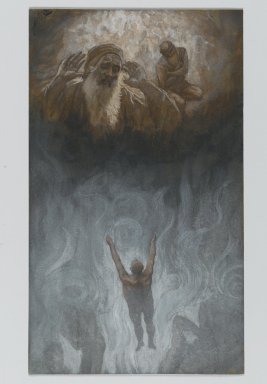 What sustains you when trials and affliction come your way? Jeremiah tells us that whoever relies on God will not be disappointed or be in want when everything around them dries up or disappears. God will not only be their consolation, but their inexhaustible source of joy as well. Jesus’ parable about the afflictions of the poor man Lazarus brings home a similar point. In this story Jesus paints a dramatic scene of contrasts – riches and poverty, heaven and hell, compassion and indifference, inclusion and exclusion. We also see an abrupt and dramatic reversal of fortune. Lazarus was not only poor, but sick and unable to lift himself. He was “laid†at the gates of the rich man’s house. The dogs which licked his sores probably also stole the little bread he got for himself. Dogs in the ancient world symbolized contempt. Enduring the torment of these savage dogs only added to the poor man’s miseries and sufferings. The rich man treated the beggar with contempt and indifference, until he found his fortunes reversed at the end of his life! In God’s economy, those who hold on possessively to what they have, lose it all in the end, while those who share generously receive back many times more than they gave way. The name Lazarus means God is my help. Despite a life of misfortune and suffering, Lazarus did not lose hope in God. His eyes were set on a treasure stored up for him in heaven. The rich man, however, could not see beyond his material wealth and possessions. He not only had every thing he needed, he selfishly spent all he had on himself. He was too absorbed in what he possessed to notice the needs of those around him. He lost sight of God and the treasure of heaven because he was preoccupied with seeking happiness in material things. He served wealth rather than God. In the end the rich man became a beggar! Do you know the joy and freedom of possessing God as your true and lasting treasure? Those who put their hope and security in heaven will not be disappointed (see Hebrews 6:19)? “Lord Jesus, you are my joy and my treasure. Make me rich in the things of heaven and give me a generous heart that I may freely share with others the spiritual and material treasures you have given to me.” for the full reflection visit : Daily Reading and Meditation
Tags: catholic, catholic podcast, catholic prayer
This entry was posted on Thursday, March 20th, 2014 at 12:07 am
You can follow any responses to this entry through the RSS 2.0 feed.
[powerpress]
O glorious Saint Joseph,faithful follower of Jesus Christ,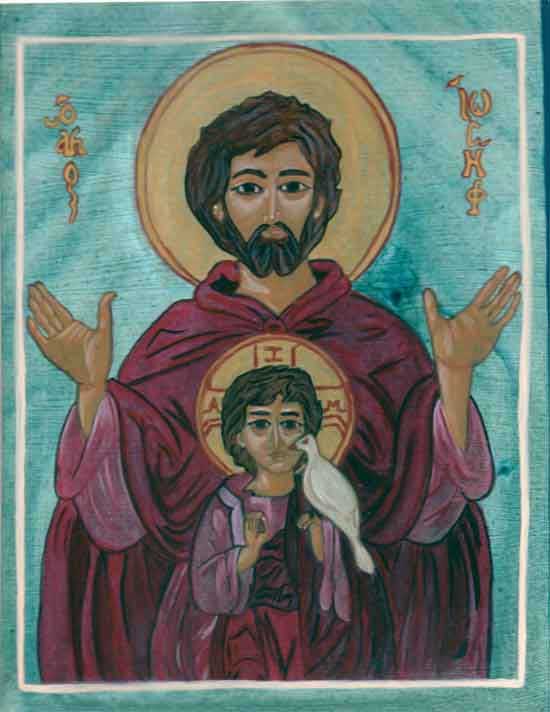
to you we raise our hearts and hands
to implore your powerful intercession
in obtaining from the benign heart of Jesus
all the helps and graces necessary
for our spiritual and temporal welfare,
particularly for the grace of a happy death
and the special favor we now request…
(State your request here.)
O guardian of the Word Incarnate,
we feel animated with confidence that your prayers
in our behalf will be graciously heard before the throne of God.
O glorious St. Joseph,
through the love you bear to Jesus Christ
and for the glory of His name,
hear our prayers
and obtain our petitions.
Amen.
DAY NINE
O good Saint Joseph, help us to be like you,
gentle to those whose weakness leans on us;
help us to give to those who seek our aid,
succor that they may journey unafraid.
Give us your faith,
that we may see the right shining above the victories of might.
Give us your hope that we may stand secure,
untouched by doubting, steadfast to endure.
Give us your love that as the years increase
an understanding heart may bring us peace.
Give us your purity that the hour of death
finds us untouched by evil’s breath.
Give us your love of labor
that we shirk no lot in life that calls us for honest work.
Give us your love of poverty so that we live contented,
let wealth come or go.
Give us your courage that we may be strong;
give us your meekness to confess our sins.
Give us your patience that we may possess the kingdom
of our souls without distress.
Help us, dear Saint,
to live that when life ends
we pass with you to Jesus and His friends.
O Glorious Saint Joseph,
hear our prayers and obtain our petitions.
Amen.
Saint Joseph, pray for us!
Tags: glorious Saint Joseph, jesus christ, Saint Joseph, st joseph
This entry was posted on Wednesday, March 19th, 2014 at 5:22 am
You can follow any responses to this entry through the RSS 2.0 feed.
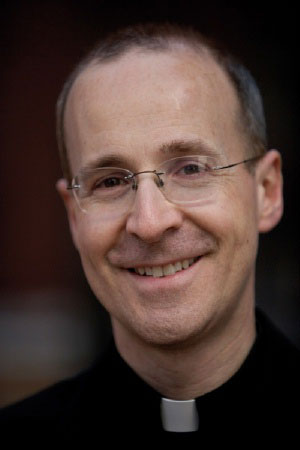
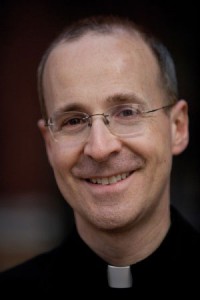 Fr. James Martin offers further reflections on the life of the great Saint Joseph
[powerpress]
St. Joseph “Lived His Fatherhood Fully and Completely”…Pope Benedict XVI
YAOUNDÉ, Cameroon, MARCH 18, 2009 (Zenit.org).- Although St. Joseph wasn’t the biological father of Jesus, he lived his fatherhood fully in the sense that he was at the service of Christ and his human development, says Benedict XVI.
The Pope said this today upon presiding over a celebration of vespers with local clergy and with representatives of ecclesial movements and of other Christian confessions at the Basilica of Mary Queen of the Apostles.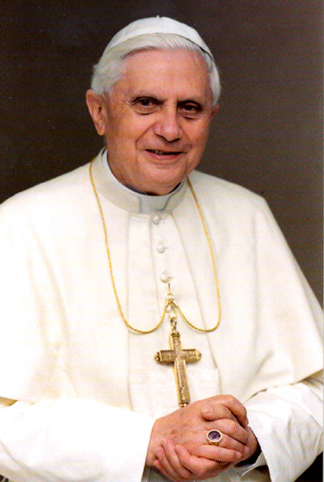
The Pontiff set out to reflect on the figure of St. Joseph, whose feast day the Church celebrates Thursday. St.Joseph is the patron saint of the Pope, who was born Joseph Ratzinger, and the patron of the universal Church.
Addressing those present, the Holy Father said a “meditation on the human and spiritual journey of Saint Joseph invites us to ponder his vocation in all its richness, and to see him as a constant model for all those who have devoted their lives to Christ in the priesthood, in the consecrated life or in the different forms of lay engagement.
St. Joseph, he said, “is not the biological father of Jesus, whose Father is God alone, and yet he lives his fatherhood fully and completely.”
“To be a father means above all to be at the service of life and growth,” Benedict XVI added. “St. Joseph, in this sense, gave proof of great devotion. For the sake of Christ he experienced persecution, exile and the poverty which this entails. He had to settle far from his native town. His only reward was to be with Christ.”
He continued: “When Mary received the visit of the angel at the Annunciation, she was already betrothed to Joseph. In addressing Mary personally, the Lord already closely associates Joseph to the mystery of the Incarnation.
“Joseph agreed to be part of the great events which God was beginning to bring about in the womb of his spouse. He took Mary into his home. He welcomed the mystery that was in Mary and the mystery that was Mary herself. He loved her with great respect, which is the mark of all authentic love.”
Non-possessive love
“Joseph teaches us that it is possible to love without possessing,” said the Holy Father. “In contemplating  Joseph, all men and women can, by God’s grace, come to experience healing from their emotional wounds, if only they embrace the plan that God has begun to bring about in those close to him, just as Joseph entered into the work of redemption through Mary and as a result of what God had already done in her.”
“Joseph was caught up at every moment by the mystery of the Incarnation,” reflected Benedict XVI. “Not only physically, but in his heart as well, Joseph reveals to us the secret of a humanity which dwells in the presence of mystery and is open to that mystery at every moment of everyday life.
“In Joseph, faith is not separated from action. His faith had a decisive effect on his actions. Paradoxically, it was by acting, by carrying out his responsibilities, that he stepped aside and left God free to act, placing no obstacles in his way. Joseph is a ‘just man because his existence is ‘ad-justed’ to the word of God.”
“The life of Saint Joseph, lived in obedience to God’s word, is an eloquent sign for all the disciples of Jesus who seek the unity of the Church,” the Pope concluded. “His example helps us to understand that it is only by complete submission to the will of God that we become effective workers in the service of his plan to gather together all mankind into one family, one assembly, one ‘ecclesia.'”
Tags: catholic, catholic podcast, catholic prayer
This entry was posted on Wednesday, March 19th, 2014 at 4:16 am
You can follow any responses to this entry through the RSS 2.0 feed.
“Joseph did as the angel of the Lord commanded him“
[powerpress]
an excerpt from today’s reflection by Don Schwager:
Are you prepared to obey the Lord in everything? Faith in God’s word and obedience to his commands go hand in hand. Joseph, like Mary, is a model of faith and justice. Matthew tells us that Joseph was a “just manâ€. John Chrysostom, the great 5th century father writes:“The concept of ‘just’ here signifies the man who possesses all the virtues. By ‘justice’ one at times understands only one virtue in particular, as in the phrase: the one who is not avaricious (greedy) is just. But ‘justice’ also refers to virtue in general. And it is in this sense, above all, that scripture uses the word ‘justice’. For example, it refers to: ‘a just man and true’ (cf. Job 1:1), or the two were just (cf. Luke 1:6). Joseph, then, being just, that is to say good and charitable…â€
Joseph’s faith was put to the test when he discovered that his espoused wife Mary was pregnant. Joseph, being a just and God-fearing man, did not wish to embarrass, punish, or expose Mary to harm. To all outward appearances she had broken their solemn pledge to be faithful and chaste to one another. Joseph, no doubt took this troubling matter to God in prayer. He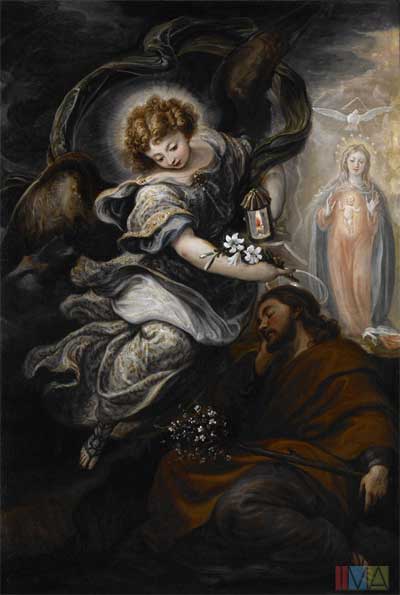 was not hasty to judge or to react with hurt and anger. God rewarded him not only with guidance and consolation, but with the divine assurance that he had indeed called Joseph to be the husband of Mary and to assume a mission that would require the utmost faith, confidence, and trust in Almighty God. Joseph believed in the divine message to take Mary as his wife and to accept the child in her womb as the promised Messiah, who is both the only begotten Son of God and son of Mary conceived by the Holy Spirit.
Joseph was a worthy successor to the great patriarchs of the old covenant – Abraham, Isaac, and Jacob. Joseph followed the call of God through the mysterious circumstances that surrounded the coming of Jesus, the long-awaited Messiah who fulfilled all the promises made to Abraham and his offspring. God entrusted this silent, humble man with the unique privilege of raising, protecting, teaching, and training Jesus as a growing child. Joseph accepted his role of fatherly care with faith, trust, and obedience to the will of God. He is a model for all who are entrusted with the care, instruction, and protection of the young. Joseph is a faithful witness and servant of God’s unfolding plan of redemption. Are you ready to put your trust in the Lord to give you his help and guidance in fulfilling your responsibilities? God gives strength and guidance to those who seek his help, especially when we face trials, doubts, fears, perplexing circumstances, and what seems like insurmountable problems and challenges in our personal lives. God our heavenly Father has not left us alone, but has given us his only begotten Son Jesus as our savior, teacher, lord, and healer. Where do you need God’s help and guidance? Ask the Lord to increase your faith and trust in his promises and in his guiding hand in your life.
“Lord Jesus, you came to free us from the power of sin, fear, death, and Satan, and to heal and restore us to wholeness of life. May I always trust in your saving help, guidance, wisdom, and plan for my life”.
for the full reflection visit : Daily Reading and Meditation
Tags: catholic, catholic podcast, catholic prayer
This entry was posted on Wednesday, March 19th, 2014 at 12:02 am
You can follow any responses to this entry through the RSS 2.0 feed.
“Whoever humbles himself will be exalted”
[powerpress]
an excerpt from today’s reflection by Don Schwager: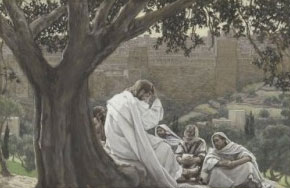
Respect for God and his ways inclines us to Godly humility and simplicity of heart. What is true humility and why should we embrace it? True humility is not feeling bad about yourself, or having a low opinion of yourself, or thinking of yourself as inferior to others. True humility frees us from preoccupation with ourselves, whereas a low self-opinion tends to focus our attention on ourselves. Humility is truth in self-understanding and truth in action. Viewing ourselves truthfully, with sober judgment, means seeing ourselves the way God sees us (Psalm 139:1-4). A humble person makes a realistic assessment of oneself without illusion or pretense to be something one is not. A truly humble person regards oneself neither smaller nor larger than one truly is. True humility frees us to be ourselves as God sees us and to avoid despair and pride. A humble person does not want to wear a mask or put on a facade in order to look good to others. Such a person is not swayed by accidentals, such as fame, reputation, success, or failure. Do you know the joy of Christ-like humility and simplicity of heart?
Humility is the queen or foundation of all the other virtues because it enables us to see and judge correctly, the way God sees. Humility helps us to be teachable so we can acquire true knowledge, wisdom, and an honest view of reality. It directs our energy, zeal, and ambition to give ourselves to something greater than ourselves. Humility frees us to love and serve others selflessly, for their sake, rather than our own. Paul the Apostle gives us the greatest example and model of humility in the person of Jesus Christ, who emptied himself, taking the form of a servant, and …who humbled himself and became obedient unto death, even death on a cross (Philippians 2:7-8). Do you want to be a servant as Jesus served and loved others? The Lord gives grace to those who humbly seek him.
“Lord Jesus, you became a servant for my sake to set me free from the tyranny of selfish pride and self-concern. Teach me to be humble as you are humble and to love others generously with selfless service and kindness.”
for the full reflection visit : Daily Reading and Meditation
Tags: catholic, catholic podcast, catholic prayer
This entry was posted on Tuesday, March 18th, 2014 at 12:03 am
You can follow any responses to this entry through the RSS 2.0 feed.
The Discernment of Spirits with Fr. Timothy Gallagher – Serves as an introduction to the Spiritual Exercises of St. Igantius of Loyola
[powerpress]
Episode 16 – The Fourteenth Rule: 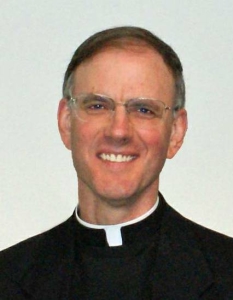
Likewise, he behaves as a chief bent on conquering and robbing what he desires: for, as a captain and chief of the army, pitching his camp, and looking at the forces or defenses of a stronghold, attacks it on the weakest side, in like manner the enemy of human nature, roaming about, looks in turn at all our virtues, theological, cardinal and moral; and where he finds us weakest and most in need for our eternal salvation, there he attacks us and aims at taking us.
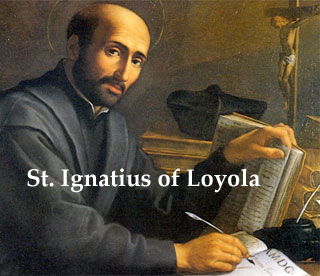 The Discernment of Spirits: Setting the Captives Free – Serves as an introduction to the Spiritual Exercises of St. Ignatius of Loyola
The 14 Rules for Discerning Spirits –
“The Different Movements Which Are Caused In The Soul”
as outlined by St. Ignatius of Loyola can be found here
Father Timothy M. Gallagher, O.M.V., was ordained in 1979 as a member of the Oblates of the Virgin Mary, a religious community dedicated to retreats and spiritual formation according to the Spiritual Exercises of St. Ignatius. Â Fr. Gallagher is featured on the EWTN series “Living the Discerning Life: Â The Spiritual Teachings of St. Ignatius of Loyola”.Â
For more information on how to obtain copies of Fr. Gallaghers’s various books and audio which are available for purchase, please visit  his  website: www.frtimothygallagher.org
 For the other episodes in this series visit
Fr. Timothy Gallagher’s “Discerning Hearts†page
Tags: discernment of spirits, Timothy Gallagher
This entry was posted on Monday, March 17th, 2014 at 10:55 am
You can follow any responses to this entry through the RSS 2.0 feed.
With Fr. Gary Caster, we discuss  “Joseph – The Man Who Raised Jesus”.  Thanks to his mother’s encouragement, Fr. Gary received a rich 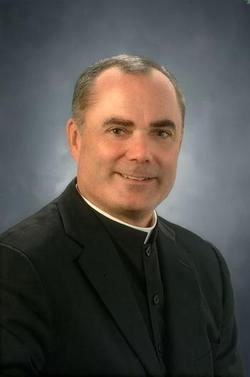 devotion to the “silent” man who witnessed to the faith in an extraordinary way.    He shares personal stories, passages from Scripture and teachings from the Catechism of the Catholic Church to demonstrate what a  model of virtue and  a protector of the Church and family, St. Joseph is in our lives today.  Another wonderful work by Fr. Gary Caster.  Good St. Joseph, pray for us!
[powerpress]
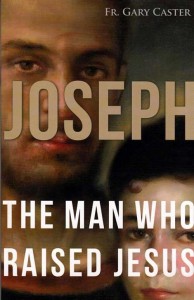 You can find the book here
From the book description:
Who was St. Joseph? Was he just a passive, incidental figure in the drama of salvation? On the contrary, in every way that Jesus needed a father, St. Joseph was that for him. And how overwhelming it must have been for Joseph to be asked to stand in the Father s place! No man has ever been asked to do so in such an unthinkable way. Every priest, and certainly every man who is a father (biologically or otherwise), should take this to heart.
Caster s book will provide a unique, in-depth presentation of Joseph from the perspective of the evangelical counsels and the theological and cardinal virtues. Each section will begin with an explanation of what each counsel or virtue means and then show how Joseph models it for us.
The descriptions of St. Joseph s life and character found in this book, while rooted in the Scripture passages that mention him, are chiefly inspired by Jesus, who spent the majority of his life at home with Joseph and Mary. For years, the three of them lived, prayed, celebrated, studied, and shared, all the while uniting their lives more intimately with God s own. Those years in Nazareth were a real preparation for the foundation upon which Jesus would build his saving ministry. And as much as Joseph and Mary offered Jesus, he offered them an ever-expanding awareness of the God that had changed both their lives. The reciprocity of love that perfectly defines the home in Nazareth is the very pattern for all family life—and therefore of the Church itself.
Tags: catholic, catholic podcast, catholic prayer
This entry was posted on Monday, March 17th, 2014 at 10:51 am
You can follow any responses to this entry through the RSS 2.0 feed.
Episode 36- Regnum Novum: Bringing forth the New Evangelization through Catholic Social Teaching with Omar Gutierrez –  We continue the study of the “Compendium of the Social Doctrine of the Church” Â Chapter 9 “The International Community”
[powerpress]

CHAPTER NINE
THE INTERNATIONAL COMMUNITY
I. BIBLICAL ASPECTS
a. Unity of the human family
b. Jesus Christ, prototype and foundation of the new humanity
c. The universal vocation of Christianity
II. THE FUNDAMENTAL RULES OF THE INTERNATIONAL COMMUNITY
a. The international community and values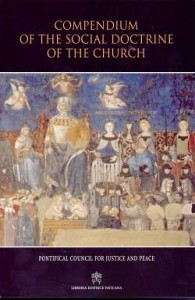 b. Relations based on harmony between the juridical and moral orders
III. THE ORGANIZATION OF THE INTERNATIONAL COMMUNITY
a. The value of international organizations
b. The juridical personality of the Holy See
IV. INTERNATIONAL COOPERATION FOR DEVELOPMENT
a. Cooperation to guarantee the right to development
b. The fight against poverty
c. Foreign debt
We live at a very special time. The confluence of many things has brought forth the clear need to be able to articulate the Social Teaching of the Catholic Church in a way that is accessible and applicable. This is not to be an effort where high-minded theories are to be bandied about. Rather, this is a time of opportunity wherein we can apply the Social Doctrine to the concrete so as to bring about a New Kingdom, a Revolution. – Omar G.
Also visit Omar’s “Discerning Hearts” page Catholic Social Teaching 101
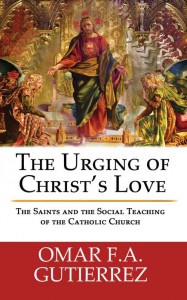
You can find Omar Gutierrez’s book here
In The Urging of Christ’s Love Omar Gutiérrez tells the stories of eleven people who lived their lives in pursuit of Christ Jesus. Each Saint, Blessed or Servant of God is considered in the context of Catholic Social Teaching. Then at the end of each chapter a prayer is offered and quotes from the Compendium of the Social Doctrine of the Church are provided in order to link the lessons we can learn from the saint’s life to Church teaching. By discovering some new saint friends, and rediscovering some old ones, The Urging of Christ’s Love presents Catholic Social Teaching in an accessible and important way.
Tags: catholic, catholic podcast, catholic prayer
This entry was posted on Monday, March 17th, 2014 at 10:01 am
You can follow any responses to this entry through the RSS 2.0 feed.
“Forgive, and you will be forgiven“
[powerpress]
an excerpt from today’s reflection by Don Schwager: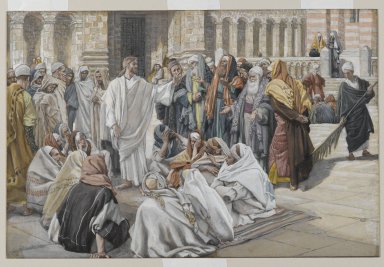
What makes true disciples of Jesus Christ different from those who do not know the Lord Jesus and what makes Christianity distinct from any other religion? It is grace – treating others not as they deserve, but as God wishes them to be treated – with loving-kindness, forebearance, and mercy. God shows his goodness to the unjust as well as to the just. His love embraces saint and sinner alike. God always seeks what is best for each one of us and he teaches us to seek the greatest good of others, even those who hate and abuse us. Our love for others, even those who are ungrateful and unkind towards us, must be marked by the same kindness and mercy which God has shown to us. It is easier to show kindness and mercy when we can expect to benefit from doing so. How much harder when we can expect nothing in return. Our prayer for those who do us ill both breaks the power of revenge and releases the power of love to do good in the face of evil.
How can we possibly love those who cause us grief, ill-will, and harm? With God all things are possible. He gives power and grace to those who trust in his love and who seek his help and wisdom. The Lord is ready to work in and through us by his Holy Spirit, both to purify our minds and hearts and to guide us in choosing what is good and loving. Paul the Apostle reminds us that “God’s love has been poured into our hearts through the Holy Spirit which has been given to us” (Romans 5:5) God’s love conquers all, even our hurts, injuries, fears, and prejudices. Only the cross of Jesus Christ and his victory over sin can free us from the tyranny of malice, hatred, revenge, and resentment, and give us the courage to overcome evil with good (Romans 12:21). Such love and grace has power to heal, restore, and transform us into the image of Christ. Do you know the power of Christ’s redeeming love and mercy?
“Lord Jesus, your love brings freedom, pardon, and joy. Transform my heart with your love that nothing may make me lose my temper, ruffle my peace, take away my joy, or make me bitter towards anyone.”
for the full reflection visit : Daily Reading and Meditation
Tags: catholic, catholic podcast, catholic prayer
This entry was posted on Monday, March 17th, 2014 at 12:44 am
You can follow any responses to this entry through the RSS 2.0 feed.