 Site Type
 Featured
 Fonts
Fonts Skins
Skins
 “These Beautiful Bones: An Everyday Theology of the Body” is the book I’ve been waiting for, thank you Emily Stimpson! A book about the Theology of the Body, the great teachings from Bl. Pope John Paul II, that isn’t all about SEX! What Emily has done is truly remarkable….she has presented to us just how practical this great teaching is and how it can be applied to the varied aspects of our everyday lives. Emily has an engaging writing style which is filled with humor and insight. A wonderful work and a must have for the Catholic library.
[powerpress]
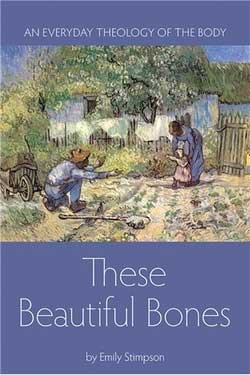 You can find the book here
“As a writer, Emily Stimpson always brings to her readers a unique combination of deep wisdom, practical insight and personal experience. In These Beautiful Bones, she uses the sacramental lens of the liturgy to explore a wide range of activities in daily life. Whether it’s your eating habits or clothing styles, the dignity of hard work or the pitfalls of pop culture, you will find in this book lots of graceful guidance in living out the physical side of being spiritual. ” — Dr. Scott Hahn, Internationally renowned author and biblical theologian
This entry was posted on Monday, November 25th, 2013 at 9:03 am
You can follow any responses to this entry through the RSS 2.0 feed.
Works of the Law
[powerpress]
In Romans and Galatians, St. Paul warns about those trying to justify themselves before God by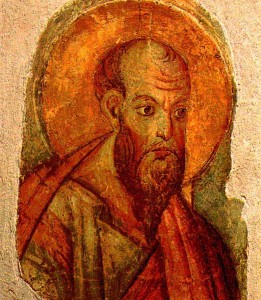 following the works of the Law.Â
To properly understand this, we must look at the historical context. As we read in the Acts, there was a group in the early Church called the “Judaizers,â€1 which taught that Gentile converts to Christianity must be circumcised and follow the kosher laws.
Paul says in no uncertain terms that those trying to be saved through these Old Testament works of the Law have rejected Christ and lost their salvation.
The attitude of the Judaizers is contrasted with the faith of Abraham,2 who trusted and obeyed God even to the point of offering his own son, Isaac. Paul’s point is not that our works have no bearing on our salvation, but rather that these particular Jewish rituals were not necessary for eternal life.
For the same Romans that teaches “a man is justified by faith apart from works of the law,â€3 also says that God “shows no partiality … [for] he will render to everyone according to his works..†4
There is no contradiction, as long as we correctly understand what Paul meant by the works of the law.
1 -Â cf. Acts 15:1-6, etc.
2 -Â Rom. 4:1ff
3 -Â 3:28
4 -Â 2:6-10
Tags: catholic apologetics, eternal life, faith, Faith Check, law, st. paul, works
This entry was posted on Monday, November 25th, 2013 at 7:06 am
You can follow any responses to this entry through the RSS 2.0 feed.
 Show 54 ” Building a Kingdom of Love” – The Reign of Christ the King
[powerpress]
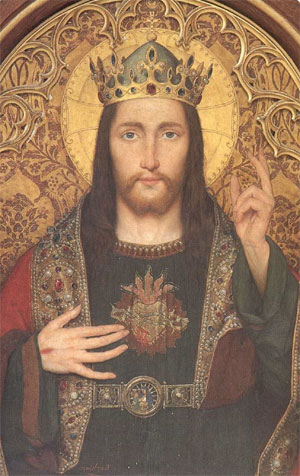
Msgr. Esseff reflects on the teaching of the Sacred Scriptures on the feast of Christ the King…the victory of Jesus and the defeat of Satan:
Gospel    Lk 23:35-43
The rulers sneered at Jesus and said,
“He saved others, let him save himself
if he is the chosen one, the Christ of God.”
Even the soldiers jeered at him.
As they approached to offer him wine they called out,
“If you are King of the Jews, save yourself.”
Above him there was an inscription that read,
“This is the King of the Jews.”Now one of the criminals hanging there reviled Jesus, saying,
“Are you not the Christ?
Save yourself and us.”
The other, however, rebuking him, said in reply,
“Have you no fear of God,
for you are subject to the same condemnation?
And indeed, we have been condemned justly,
for the sentence we received corresponds to our crimes,
but this man has done nothing criminal.”
Then he said,
“Jesus, remember me when you come into your kingdom.”
He replied to him,
“Amen, I say to you,
today you will be with me in Paradise.”
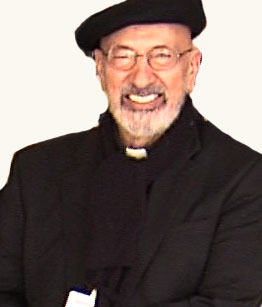
Msgr. John A. Esseff is a Roman Catholic priest in the Diocese of Scranton. He was ordained on May 30th 1953, by the late Bishop William J. Hafey, D.D. at St. Peter’s Cathedral in Scranton, PA. Msgr. Esseff served a retreat director and confessor to Blessed Mother Teresa. He continues to offer direction and retreats for the sisters of the missionaries of charity around the world. Msgr. Esseff encountered St. Padre Pio, who would become a spiritual father to him. He has lived in areas around the world, serving in the Pontifical missions, a Catholic organization established by Bl. Pope John Paul II to bring the Good News to the world especially to the poor. Msgr. Esseff assisted the founders of the Institute for Priestly Formation and continues to serve as a spiritual director for the Institute. He continues to serve as a retreat leader and director to bishops, priests and sisters and seminarians and other religious leaders around the world.
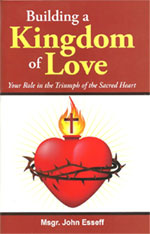
To obtain a copy of Msgr. Esseff’s book by visiting here
Be sure to visit Msgr. Esseff’s website “Building a Kingdom of Love”
Tags: blessed mother teresa, Good News, John Esseff, retreat
This entry was posted on Sunday, November 24th, 2013 at 6:46 am
You can follow any responses to this entry through the RSS 2.0 feed.
“The Urgency of the New Evangelization: Answering the Call” is the latest from Dr. Ralph Martin STD which encourages us to share the 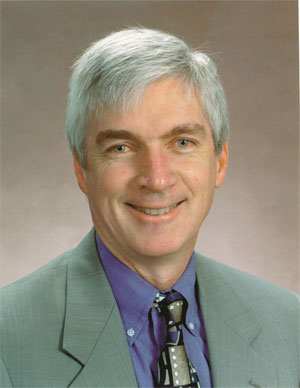 Good News with both non-believers and those who are no longer practicing their faith. Compelling and informative, this is an important work that aids all those who desire to the serve the Lord through the New Evangelization.
[powerpress]
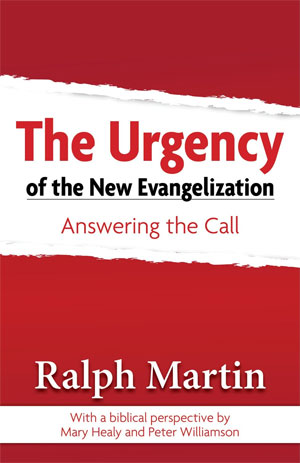 You can find the book here
In The Urgency of the New Evangelization: Answering the Call, Ralph Martin explains:
- It’s not just a churchy buzzword
- It’s not just for priests and missionaries to carry out
- YOU and every individual Catholic play a role
- It is literally a matter of life or death for everyone in your life
- And… it’s not as hard as you think
Tags: death, osv, our sunday visitor, priests, ralph martin, work
This entry was posted on Sunday, November 24th, 2013 at 12:04 am
You can follow any responses to this entry through the RSS 2.0 feed.
SP#3 The School of Prayer: Foundations for the New Evangelization
 [powerpress]
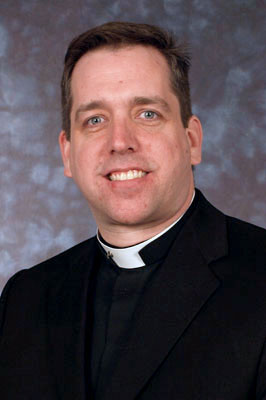
Fr. Scott Traynor talks about the darkness that can be found in our lives. How can we experience the overwhelming love and mercy of God, even in our suffering? How can we live out the teaching of St. Paul:
Philippians 4:4 Rejoice in the Lord always. I shall say it again: rejoice!
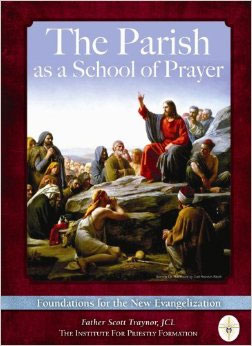
In Father Scott Traynor’s book, Blessed John Paul II’s memorable call to make of the parish a school of prayer takes on flesh and becomes concretely attainable. Those you read these faith-filled pages will find renewed desire to create such parishes and a clear road-map toward this goal.
–Father Timothy Gallagher, OMV
Father Scott Traynor received his STB from the Pontifical Gregorian University and his JCL from Catholic University of America. He has been an instructor and spiritual director for many of the programs at the Institute for Priestly Formation.
Father Traynor is a retreat master and spiritual director who has travelled the country as a speaker at various conferences, diocesan gatherings and national conferences.. He is especially sought after to present on the topics of prayer, discernment and priestly identity and mission.
He serves the Rector of the St. John Vianney Theological Seminary in Denver Colorado.

Tags: darkness, Father Timothy Gallagher, holy trinity, mercy, OMV, prayer, Scott Traynor, spiritual director, STB
This entry was posted on Sunday, November 24th, 2013 at 12:03 am
You can follow any responses to this entry through the RSS 2.0 feed.
[powerpress]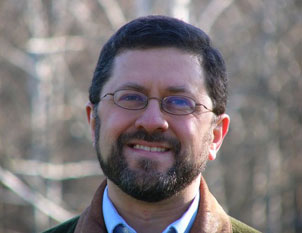
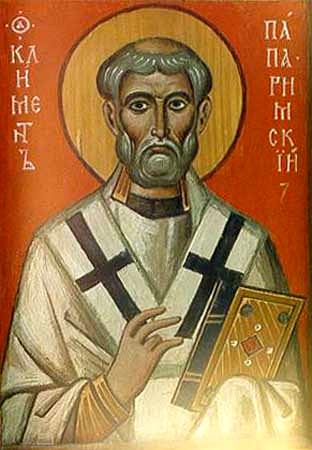
The story and history of Saint Clement.
 First, start with the podcast above featuring the son of the Fathers, Mike Aquilina talking about St. Clement, then…
Clemens Romanus was born in Rome in Italy during the time that the Christian faith was being spread and Christians were being persecuted by the Roman Emperors. He is believed to be of Jewish descent and a freeman of Rome. He worked as a tanner
during the early part of his life. He was then converted to Christianity and became a disciple of St. Peter and of St. Paul. Following the death of Saint Peter he took over his position and became the fourth Pope and Bishop of Rome continuing to convert Romans from the religion of the old Roman gods to Christianity.
Saint Clement was banished from Rome during the reign of the Emperor Trajan (September 18, 53 – August 9, 117) due to his beliefs and unpopularity with the Roman rabble. He was banished to Chersonesus, which was an ancient Greek colony under Roman rule, in the south western part of Crimea (part of the Ukraine). In Chersonesus he was sentenced to work with other prisoners in a sto
ne quarry where he continued to convert people. The number and success of his conversions attracted the attention of the Roman prefect who sentenced him to death. Clement was he was bound to an anchor and cast into the sea. He died in A.D.100.
How blessed and amazing are God’s gifts, dear friends Life with immortality, splendor with righteousness, truth with confidence, faith with assurance, self-control with holiness And all these things are within our comprehension. Clement of Rome

Basilica of Saint Clement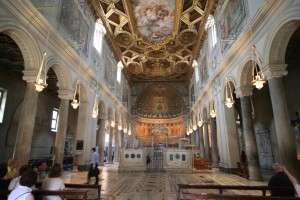
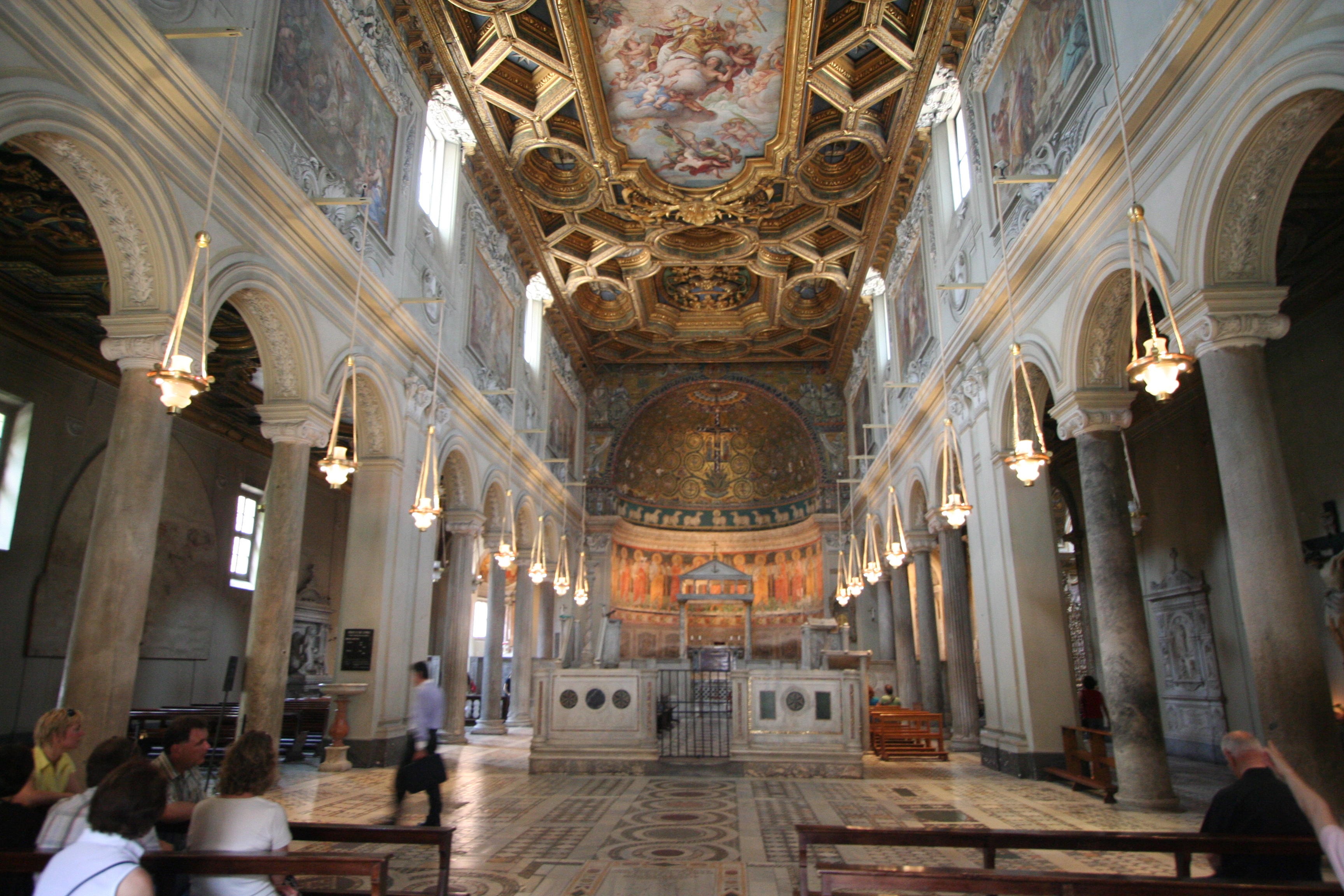
The Basilica di San Clemente is an early Christian basilica in Rome dedicated to Pope St. Clement. Its beautiful interior is especially notable for its three historical layers.
The main upper church is one of the most richly decorated churches in Rome. The vast majority of its architecture and art dates from its construction in the early 12th century. The entrance is on the left aisle.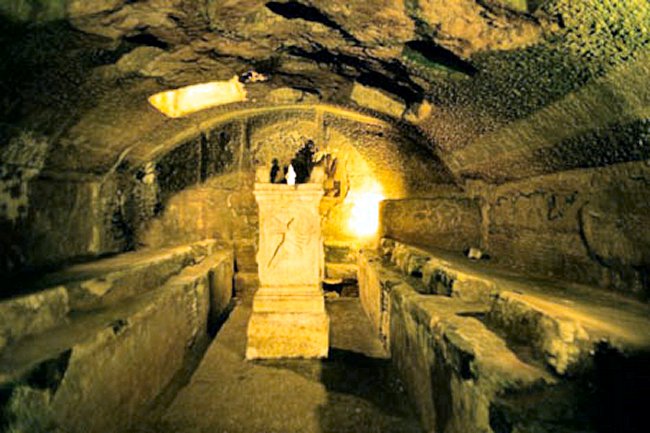
The most striking sight is the 12th-century apse mosaic, in a golden-bronze color and featuring a large cross in the center. In the center of the apse is a throne, whose back is part of a martyr’s tomb.
The high altar contains the relics of St. Clement of Rome and St. Ignatius of Antioch. Faded frescoes decorate many of the walls, and date from the 6th to 11th centuries. They depict New Testament scenes and lives of several saints.
Tags: basilica di san clemente, Church, churches in rome, clement of rome, emperor trajan, father of the church, fathers mike, mike aquilina, rome, saint clement, st clement of rome
This entry was posted on Saturday, November 23rd, 2013 at 12:02 am
You can follow any responses to this entry through the RSS 2.0 feed.
Heart of Hope Part 2 –  The agony of emotional suffering and opportunities for deeper union with Jesus; the reason for pastoral ministry
[powerpress]
Deacon James Keating, PhD, the director of Theological Formation for the Institute for Priestly Formation, located at Creighton University, in Omaha, is making available to â€Discerning Hearts†and all who listen, his series of programs entitled “The Heart of Hopeâ€.
This extraordinarily popular series explores the work of suffering in the Christian life and how God can use it to transform the heart of the individual and the world. 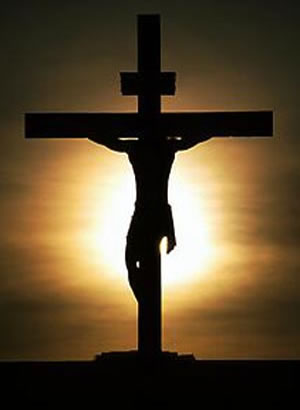
The “Heart of Hope†tackles a very tough subject…the gift of suffering in the Christian life. Deacon Keating guides us well.
.

For more information on the “Institute of Priestly Formation†and for other material available by Deacon Keating, just click here
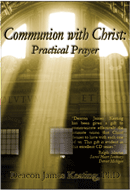
Don’t forget to pickup a copy of “Communion with Christ†, it is one of the best audio sets on prayer…ever!
Check out Deacon Keating’s “Discerning Heart†page
Tags: creighton university, Deacon Keating, Jesus, suffering
This entry was posted on Tuesday, November 19th, 2013 at 5:11 pm
You can follow any responses to this entry through the RSS 2.0 feed.
 Episode 11 – The Holy Rule of St. Benedict: A Spiritual Path for Today’s World with Fr. Mauritius Wilde O.S.B., PhD.
Instead of circling around one’s self, hospitality
[powerpress]
From the Holy Rule of St. Benedict:
CHAPTER LIII
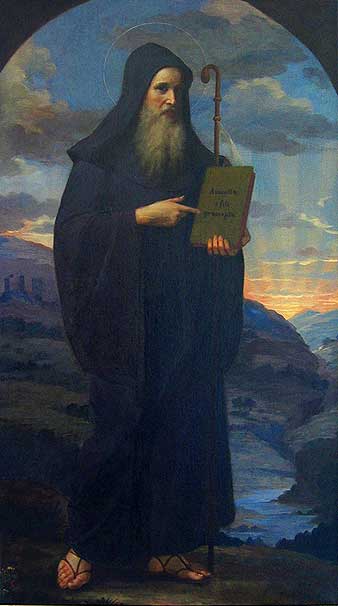
Of the Reception of GuestsLet all guests who arrive be received as Christ, because He will say: “I was a stranger and you took Me in” (Mt 25:35). And let due honor be shown to all, especially to those “of the household of the faith” (Gal 6:10) and to wayfarers.
When, therefore, a guest is announced, let him be met by the Superior and the brethren with every mark of charity. And let them first pray together, and then let them associate with one another in peace. This kiss of peace should not be given before a prayer hath first been said, on account of satanic deception. In the greeting let all humility be shown to the guests, whether coming or going; with the head bowed down or the whole body prostrate on the ground, let Christ be adored in them as He is also received.
When the guests have been received, let them be accompanied to prayer, and after that let the Superior, or whom he shall bid, sit down with them. Let the divine law be read to the guest that he may be edified, after which let every kindness be shown him. Let the fast be broken by the Superior in deference to the guest, unless, perchance, it be a day of solemn fast, which cannot be broken. Let the brethren, however, keep the customary fast. Let the Abbot pour the water on the guest’s hands, and let both the Abbot and the whole brotherhood wash the feet of all the guests. When they have been washed, let them say this verse: “We have received Thy mercy, O God, in the midst of Thy temple” (Ps 47[48]:10). Let the greatest care be taken, especially in the reception of the poor and travelers, because Christ is received more specially in them; whereas regard for the wealthy itself procureth them respect.
Let the kitchen of the Abbot and the guests be apart, that the brethren may not be disturbed by the guests who arrive at uncertain times and who are never wanting in the monastery. Let two brothers who are able to fulfil this office well go into the kitchen for a year. Let help be given them as they need it, that they may serve without murmuring; and when they have not enough to do, let them go out again for work where it is commanded them. Let this course be followed, not only in this office, but in all the offices of the monastery — that whenever the brethren need help, it be given them, and that when they have nothing to do, they again obey orders. Moreover, let also a God-fearing brother have assigned to him the apartment of the guests, where there should be sufficient number of beds made up; and let the house of God be wisely managed by the wise.
On no account let anyone who is not ordered to do so, associate or speak with guests; but if he meet or see them, having saluted them humbly, as we have said, and asked a blessing, let him pass on saying that he is not allowed to speak with a guest.
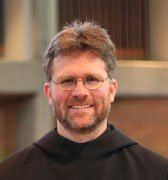
Father Mauritius Wilde, OSB, Ph.D., did his philosophical, theological and doctoral studies in Europe. He is the author of several books and directs retreats regularly. He serves as Prior of our monastery in Schuyler.
 For more information about the ministry of the the Missionary Benedictines of Christ the King Priory in Schuyler, Nebraska visit here:
Tags: humility, law, prayer, work
This entry was posted on Monday, November 18th, 2013 at 3:32 pm
You can follow any responses to this entry through the RSS 2.0 feed.
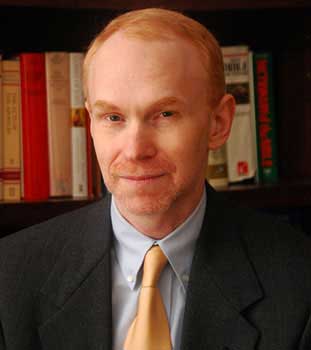
Dr. Matthew Bunson discusses the life, times and teachings of St. Augustine of Hippo (part 2)
[powerpress]
Augustine of Hippo [
-Â Confessions
-Â Letters
-Â City of God
-Â Christian Doctrine
-Â On the Holy Trinity
-Â The Enchiridion
-Â On the Catechising of the Uninstructed
-Â On Faith and the Creed
-Â Concerning Faith of Things Not Seen
-Â On the Profit of Believing
-Â On the Creed: A Sermon to Catechumens
-Â On Continence
-Â On the Good of Marriage
-Â On Holy Virginity
-Â On the Good of Widowhood
-Â On Lying
-Â To Consentius: Against Lying
-Â On the Work of Monks
-Â On Patience
-Â On Care to be Had For the Dead
-Â On the Morals of the Catholic Church
-Â On the Morals of the Manichaeans
-Â On Two Souls, Against the Manichaeans
-Â Acts or Disputation Against Fortunatus the Manichaean
-Â Against the Epistle of Manichaeus Called Fundamental
-Â Reply to Faustus the Manichaean
-Â Concerning the Nature of Good, Against the Manichaeans
-Â On Baptism, Against the Donatists
-Â Answer to Letters of Petilian, Bishop of Cirta
-Â Merits and Remission of Sin, and Infant Baptism
-Â On the Spirit and the Letter
-Â On Nature and Grace
-Â On Man’s Perfection in Righteousness
-Â On the Proceedings of Pelagius
-Â On the Grace of Christ, and on Original Sin
-Â On Marriage and Concupiscence
-Â On the Soul and its Origin
-Â Against Two Letters of the Pelagians
-Â On Grace and Free Will
-Â On Rebuke and Grace
-Â The Predestination of the Saints/Gift of Perseverance
-Â Our Lord’s Sermon on the Mount
-Â The Harmony of the Gospels
-Â Sermons on Selected Lessons of the New Testament
-Â Tractates on the Gospel of John
-Â Homilies on the First Epistle of John
-Â Soliloquies
-Â The Enarrations, or Expositions, on the Psalms
After his Baptism, Augustine decided to return to Africa with his friends, with the idea of living a community life of the monastic kind at the service of God. However, while awaiting their departure in Ostia, his mother fell ill unexpectedly and died shortly afterwards, breaking her son’s heart. Having returned to his
homeland at last, the convert settled in Hippo for the very purpose of founding a monastery. In this city on the African coast he was ordained a priest in 391, despite his reticence, and with a few companions began the monastic life which had long been in his mind, dividing his time between prayer, study and preaching. All he wanted was to be at the service of the truth. He did not feel he had a vocation to pastoral life but realized later that God was calling him to be a pastor among others and thus to offer people the gift of the truth. He was ordained a Bishop in Hippo four years later, in 395. Augustine continued to deepen his study of Scripture and of the texts of the Christian tradition and was an exemplary Bishop in his tireless pastoral commitment: he preached several times a week to his faithful, supported the poor and orphans, supervised the formation of the clergy and the organization of mens’ and womens’ monasteries. In short, the former rhetorician asserted himself as one of the most important exponents of Christianity of that time. He was very active in the government of his Diocese – with remarkable, even civil, implications – in the more than 35 years of his Episcopate, and the Bishop of Hippo actually exercised a vast influence in his guidance of the Catholic Church in Roman Africa and, more generally, in the Christianity of his time, coping with religious tendencies and tenacious, disruptive heresies such as Manichaeism, Donatism and Pelagianism, which endangered the Christian faith in the one God, rich in mercy.
And Augustine entrusted himself to God every day until the very end of his life: smitten by fever, while for almost three months his Hippo was being besieged by vandal invaders, the Bishop – his friend Possidius recounts in his Vita Augustini - asked that the penitential psalms be transcribed in large characters, “and that the sheets be attached to the wall, so that while he was bedridden during his illness he could see and read them and he shed constant hot tears” (31, 2). This is how Augustine spent the last days of his life. He died on 28 August 430, when he was not yet 76. We will devote our next encounters to his work, his message and his inner experience.
For more visit Vatican.va
Dr. Matthew Bunson, Senior Fellow of the St. Paul Center for Biblical Theology, is one of the United States’ leading authorities on the papacy and the Church.
His books include: The Encyclopedia of Catholic History; The Encyclopedia of Saints; Papal Wisdom; All Shall Be Well; Encyclopedia of the Roman Empire; and The Angelic Doctor: The Life and World of St. Thomas Aquinas; The Pope Encyclopedia; We Have a Pope! Benedict XVI, the first Catholic biography of the Holy Father in the English language; the Encyclopedia of U.S. Catholic History; Pope Francis. His also the editor of OSV’s “The Catholic Answer” magazine.
Tags: beauty, Church, matthew bunson, mother, old testament, truth
This entry was posted on Monday, November 18th, 2013 at 3:17 pm
You can follow any responses to this entry through the RSS 2.0 feed.
Episode 2 The Discernment of  Spirits: Setting the Captives Free – The life of St. Ignatius of Loyola and the foundational elements of the Spiritual Exercises
[powerpress]
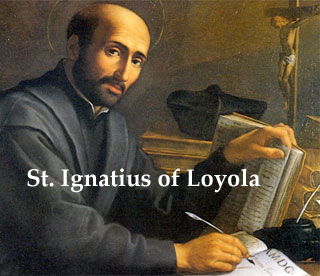 The Discernment of Spirits: Setting the Captives Free – Serves as an introduction to the Spiritual Exercises of St. Ignatius of Loyola
The 14 Rules for Discerning Spirits –
“The Different Movements Which Are Caused In The Soul”
as outlined by St. Ignatius of Loyola
can be found here
Father Timothy M. Gallagher, O.M.V., was ordained in 1979 as a member of the Oblates of the Virgin Mary, a religious community dedicated to retreats and spiritual formation according to the Spiritual Exercises of St. Ignatius. Â Fr. Gallagher is featured on the EWTN series “Living the Discerning Life: Â The Spiritual Teachings of St. Ignatius of Loyola”.Â
For more information on how to obtain copies of Fr. Gallaghers’s various books and audio which are available for purchase, please visit  his  website: www.frtimothygallagher.org
 For the other episodes in this series visit
Fr. Timothy Gallagher’s “Discerning Hearts†page
Tags: discernment of spirits, st. ignatius of loyola, Timothy Gallagher
This entry was posted on Monday, November 18th, 2013 at 7:53 am
You can follow any responses to this entry through the RSS 2.0 feed.
Show 53 ” Building a Kingdom of Love” – The World Will End…What Will Your Response Be?
[powerpress]
Msgr. Esseff reflects on the teaching of the Sacred Scriptures on “the end times”:
Gospel   Lk 21:5-19
While some people were speaking about
how the temple was adorned with costly stones and votive offerings,
Jesus said, “All that you see here–
the days will come when there will not be left
a stone upon another stone that will not be thrown down.”Then they asked him,
“Teacher, when will this happen?
And what sign will there be when all these things are about to happen?”
He answered,
“See that you not be deceived,
for many will come in my name, saying,
‘I am he,’ and ‘The time has come.’
Do not follow them!
When you hear of wars and insurrections,
do not be terrified; for such things must happen first,
but it will not immediately be the end.”
Then he said to them,
“Nation will rise against nation, and kingdom against kingdom.
There will be powerful earthquakes, famines, and plagues
from place to place;
and awesome sights and mighty signs will come from the sky.“Before all this happens, however,
they will seize and persecute you,
they will hand you over to the synagogues and to prisons,
and they will have you led before kings and governors
because of my name.
It will lead to your giving testimony.
Remember, you are not to prepare your defense beforehand,
for I myself shall give you a wisdom in speaking
that all your adversaries will be powerless to resist or refute.
You will even be handed over by parents, brothers, relatives, and friends,
and they will put some of you to death.
You will be hated by all because of my name,
but not a hair on your head will be destroyed.
By your perseverance you will secure your lives.”
Msgr. John A. Esseff is a Roman Catholic priest in the Diocese of Scranton. He was ordained on May 30th 1953, by the late Bishop William J. Hafey, D.D. at St. Peter’s Cathedral in Scranton, PA. Msgr. Esseff served a retreat director and confessor to Blessed Mother Teresa. He continues to offer direction and retreats for the sisters of the missionaries of charity around the world. Msgr. Esseff encountered St. Padre Pio, who would become a spiritual father to him. He has lived in areas around the world, serving in the Pontifical missions, a Catholic organization established by Bl. Pope John Paul II to bring the Good News to the world especially to the poor. Msgr. Esseff assisted the founders of the Institute for Priestly Formation and continues to serve as a spiritual director for the Institute. He continues to serve as a retreat leader and director to bishops, priests and sisters and seminarians and other religious leaders around the world.
To obtain a copy of Msgr. Esseff’s book byvisiting here
Be sure to visit Msgr. Esseff’s website “Building a Kingdom of Love”
Tags: blessed mother teresa, Good News, John Esseff, retreat
This entry was posted on Sunday, November 17th, 2013 at 6:55 pm
You can follow any responses to this entry through the RSS 2.0 feed.
THE WAY OF PERFECTION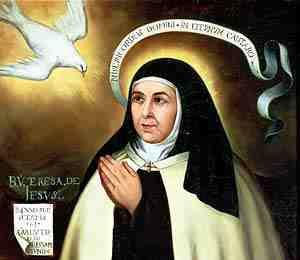
By
St. Teresa of Avila
Chapter 10 & 11
[powerpress]
For the pdf containing the complete text and footnotes click here
Teaches that detachment from the things aforementioned is insufficient if we are not detached from our own selves and that this virtue and humility go together.
Continues to treat of mortification and describes how it may be attained in times of sickness.
For other audio chapters of
“The Way of Perfection”
THE WAY OF PERFECTION
by
ST. TERESA OF AVILA
Translated & Edited by
E. ALLISON PEERS
from the Critical Editon of
P. SILVERIO DE SANTA TERESA, C.D.
Tags: audio, Critical Editon, detachment, st
This entry was posted on Sunday, November 17th, 2013 at 6:54 pm
You can follow any responses to this entry through the RSS 2.0 feed.
Heart of Hope Part 1 – The role of the Cross in the Christian life, suffering, prayer and and how it conquers evil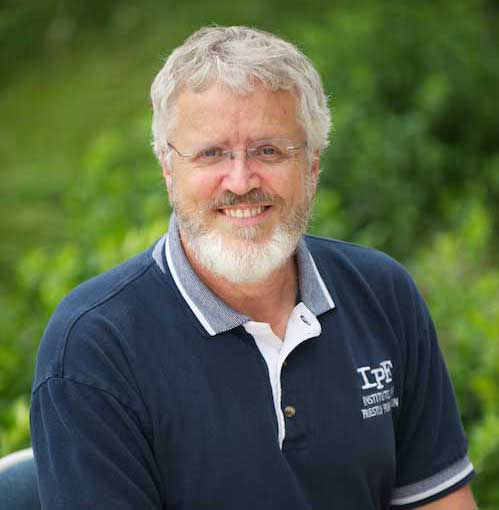
[powerpress]
Deacon James Keating, PhD, the director of Theological Formation for the Institute for Priestly Formation, located at Creighton University, in Omaha, is making available to â€Discerning Hearts†and all who listen, his series of programs entitled “The Heart of Hopeâ€.
This extraordinarily popular series explores the work of suffering in the Christian life and how God can use it to transform the heart of the individual and the world.Â
The “Heart of Hope† tackles a very tough subject…the gift of suffering in the Christian life. Deacon Keating guides us well.
.
For more information on the “Institute of Priestly Formation†and for other material available by Deacon Keating, just click here
Don’t forget to pickup a copy of “Communion with Christ†, it is one of the best audio sets on prayer…ever!
Check out Deacon Keating’s “Discerning Heart†page
Tags: creighton university, Deacon James Keating, Deacon Keating, institute for priestly formation, suffering
This entry was posted on Tuesday, November 12th, 2013 at 12:45 pm
You can follow any responses to this entry through the RSS 2.0 feed.
Episode 5- Seeking Truth with Sharon Doran – The Birth of Jesus (PART 1)  [powerpress] Sharon Doran serves as the teaching director of “Seeking Truth.†An experienced Bible Study teacher, Sharon has a passion for scripture that will motivate and challenge you to immerse yourself in God’s Word and apply His message to your every day life.
Episode 5 –
T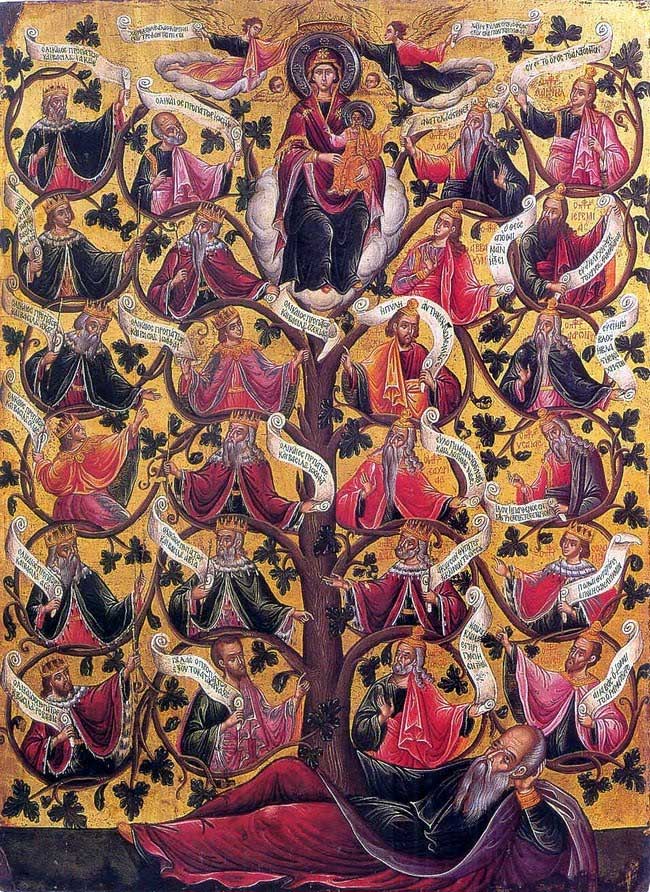 he story of Israel is the story of Jesus. On this 2 part lecture, Sharon weaves a beautiful tapestry of the history of the nation of Israel.
The fabric of this history is revealed in the genealogy of Jesus, a family tree ripe with great leaders and scandalous sinners.
This story is a stream that flows through the times of the patriarchs, the wandering in the desert, the era of the Judges, the reign of David and Solomon, the division of the Hebrew kingdom and the exile into Babylon.
This story is punctuated with the voices of the prophets who announce with astonishing accuracy the coming of Messiah.
This story is culminated in the most unlikely of places: the virginal womb of a young Jewish woman.
 “Seeking Truth†is an in depth Catholic Bible Study, commissioned by the Archdiocese of Omaha in response to John Paul II’s call to the New Evangelization as well as Pope Benedict XVI’s exhortation for all Catholics to study scripture. To learn more go to:www.seekingtruth.net
Tags: family, Israel, Jesus, scripture, Sharon Doran
This entry was posted on Tuesday, November 12th, 2013 at 6:15 am
You can follow any responses to this entry through the RSS 2.0 feed.
Episode 1 The Discernment of Spirits– Serves as an introduction to the coming series and the Spiritual Exercises of St. Ignatius of Loyola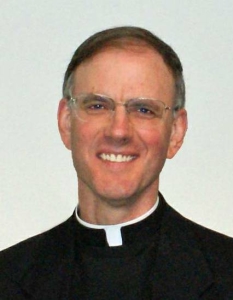
[powerpress]
The Discernment of Spirits: Setting the Captives Free – Serves as an introduction to the Spiritual Exercises of St. Ignatius of Loyola
The 14 Rules for Discerning Spirits –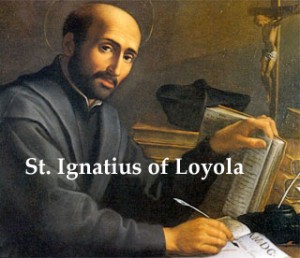
“The Different Movements Which Are Caused In The Soul”
as outlined by
St. Ignatius of Loyola
can be found here
Father Timothy M. Gallagher, O.M.V., was ordained in 1979 as a member of the Oblates of the Virgin Mary, a religious community dedicated to retreats and spiritual formation according to the Spiritual Exercises of St. Ignatius. Â Fr. Gallagher is featured on the EWTN series “Living the Discerning Life: Â The Spiritual Teachings of St. Ignatius of Loyola”.Â
For more information on how to obtain copies of Fr. Gallaghers’s various books and audio which are available for purchase, please visit  his  website: www.frtimothygallagher.org
 For the other episodes in this series visit
Fr. Timothy Gallagher’s “Discerning Hearts†page
Tags: discernment, discernment of spirits, Timothy Gallagher
This entry was posted on Monday, November 11th, 2013 at 1:46 pm
You can follow any responses to this entry through the RSS 2.0 feed.