 Site Type
 Featured
 Fonts
Fonts Skins
Skins
[powerpress]
Gospel MT 6:7-15
“In praying, do not babble like the pagans,
who think that they will be heard because of their many words.
Do not be like them.
Your Father knows what you need before you ask him.“This is how you are to pray:Our Father who art in heaven,
hallowed be thy name,
thy Kingdom come,
thy will be done,
on earth as it is in heaven.
Give us this day our daily bread;
and forgive us our trespasses,
as we forgive those who trespass against us;
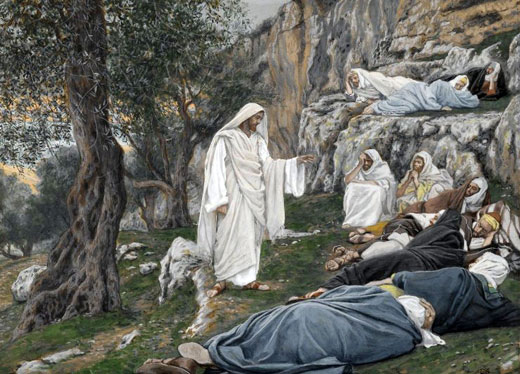
and lead us not into temptation,
but deliver us from evil.
“If you forgive men their transgressions,
your heavenly Father will forgive you.
But if you do not forgive men,
neither will your Father forgive your transgressions.â€
Lectionary for Mass for Use in the Dioceses of the United States, second typical edition, Copyright © 2001, 1998, 1997, 1986, 1970 Confraternity of Christian Doctrine; P
Tags: hallowed be thy name, John Esseff
This entry was posted on Tuesday, March 11th, 2014 at 8:10 pm
You can follow any responses to this entry through the RSS 2.0 feed.
Episode 15 – The Thirteenth Rule:
Likewise, he acts as a licentious lover in wanting to be secret and not revealed. For, as the licentious man who, speaking for an evil purpose, solicits a daughter of a good father or a wife of a good husband, wants his words and persuasions to be secret, and the contrary displeases him much, when the daughter reveals to her father or the wife to her husband his licentious words and depraved intention, because he easily gathers that he will not be able to succeed with the undertaking begun: in the same way, when the enemy of human nature brings his wiles and persuasions to the just soul, he wants and desires that they be received and kept in secret; but when one reveals them to his good Confessor or to another spiritual person that knows his deceits and evil ends, it is very grievous to him, because he gathers, from his manifest deceits being discovered, that he will not be able to succeed with his wickedness begun.
[powerpress]
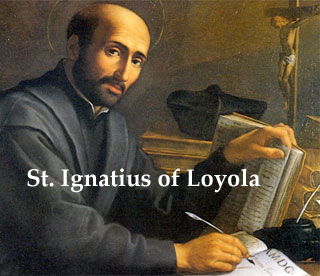 The Discernment of Spirits: Setting the Captives Free – Serves as an introduction to the Spiritual Exercises of St. Ignatius of Loyola
The 14 Rules for Discerning Spirits –
“The Different Movements Which Are Caused In The Soul”
as outlined by St. Ignatius of Loyola can be found here
Father Timothy M. Gallagher, O.M.V., was ordained in 1979 as a member of the Oblates of the Virgin Mary, a religious community dedicated to retreats and spiritual formation according to the Spiritual Exercises of St. Ignatius. Fr. Gallagher is featured on the EWTN series “Living the Discerning Life: The Spiritual Teachings of St. Ignatius of Loyola”.
For more information on how to obtain copies of Fr. Gallaghers’s various books and audio which are available for purchase, please visit his website: www.frtimothygallagher.org
For the other episodes in this series visit
Fr. Timothy Gallagher’s “Discerning Hearts†page
Tags: discernment of spirits, licentious, Timothy Gallagher
This entry was posted on Monday, March 10th, 2014 at 3:56 pm
You can follow any responses to this entry through the RSS 2.0 feed.
“Lord, when did we see you hungry?“
[powerpress]
an excerpt from today’s reflection by Don Schwager: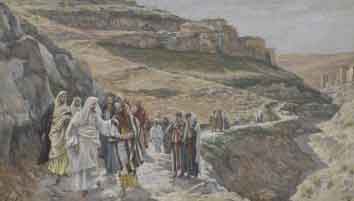
This parable is similar to the parable about Lazarus and the rich man (Luke 16:19-31). The rich man let Lazarus die on his doorstep and was doomed to crave for drops of cold water he had not thought of giving to the poor man. When Martin of Tours (316-397 AD), a young Roman soldier and seeker of the Christian faith, met an unclothed man begging for alms in the freezing cold, he stopped and cut his coat in two and gave half to the stranger. That night he dreamt he saw the heavenly court with Jesus robed in a torn cloak. One of the angels present asked, “Master, why do you wear that battered cloak?” Jesus replied, “My servant Martin gave it to me.” Martin’s disciple and biographer Sulpicius Severus states that as a consequence of this vision “Martin flew to be baptized.” God is gracious and merciful; his love compels us to treat others with mercy and kindness. When we do something for one of Christ’s little ones, we do it for Christ. Do you treat your neighbor with mercy and love as Christ has treated you?
The scriptures present us with the choice between two kingdoms – the kingdom of light and the kingdom of darkness. The choice is ours. Which kingdom do you serve? God’s kingdom lasts forever because it is built on the foundation of God’s love and justice. To accept Jesus as Lord and King is to enter a kingdom that will last forever where righteousness, love, truth, and peace dwell. Is your life submitted to the Lordship of Jesus?
“Lord Jesus Christ, you are my Lord and King and there is no other. May your love rule in my heart that I may think and act with charity towards all.”
for the full reflection visit : Daily Reading and Meditation
Tags: catholic, catholic podcast, catholic prayer
This entry was posted on Monday, March 10th, 2014 at 3:36 pm
You can follow any responses to this entry through the RSS 2.0 feed.
 Lectio Divina
[powerpress]
When the Holy Father says that the practice of a certain devotion would lead to nothing less than the renewal of the Church,1 we do well to sit up and take notice.
Pope Benedict XVI said exactly this about the practice of lectio divina, which is an ancient form of praying over the Scriptures. In lectio divina, a passage is read and followed by silence. The hearers focus on a single word or phrase that jumps out at them and allow the “still small voice of the Lord†to speak to their hearts. The same passage is read another two or three more times, with each reading followed by another period of silence, and a time of sharing may follow for the edification of all.
Many parishes are starting groups for lectio divina and it can also be done during individual prayer time. Sacred Scripture is our spiritual food, the lamp unto our feet and director of our steps. But this can’t happen if God’s Word remains on our bookshelf collecting dust.
Let us crack open our Bibles and not only read God’s Word, but prayerfully and slowly listen to what the Holy Spirit is speaking personally to us this day.
1 -Â From Address of Pope Benedict XVI to the Participants of the International Congress Organized to Commemorate the
40th Anniversary of the Dogmatic Constitution on Divine Revelation ‘Dei Verbum’: “If [Lectio divina] is effectively
promoted, this practice will bring ot the Church – I am convinced of it – a new spiritual springtime.â€
Tags: lectio divina, pope benedict xvi
This entry was posted on Monday, March 10th, 2014 at 12:21 am
You can follow any responses to this entry through the RSS 2.0 feed.
“Jesus fasted forty days and forty nights and was tempted by the devil“
[powerpress]
an excerpt from today’s reflection by Don Schwager:
Where did Jesus find the strength to survive the desert’s harsh conditions and the tempter’s seduction? He fed on God’s word and found strength in doing his Father’s will. Satan will surely tempt us and he will try his best to get us to choose our will over God’s will. If he can’t make us renounce our faith or sin mortally, he will then try to get us to make choices that will lead us, little by little, away from what God wants for us.
Jesus was tempted like us and he overcame sin not by his own human effort but by the grace and strength which his Father gave to him. He had to renounce his will for the will of his Father. He succeeded because he wanted to please his Father and he trusted that his Father would give him the strength to overcome the obstacles that stood in the way. Luke says that Jesus was “full of the Holy Spirit†(Luke 4:1). When tempted by the devil Jesus did not try to 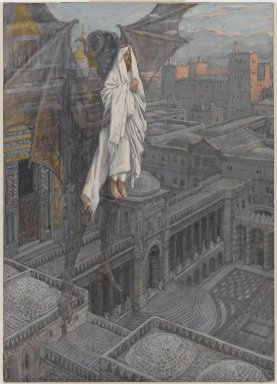 fight his adversary on his own human strength. He relied on the power which the Spirit gave him. Jesus came to overthrow the evil one who held us captive to sin and fear of death (Hebrews 2:14). His obedience to his Father’s will and his willingness to embrace the cross reversed the curse of Adam’s disobedience. His victory over sin and death won for us not only pardon for our sins but adoption as sons and daughters of God.
How can we overcome sin and oppression in our personal lives? The Lord Jesus gives us his Holy Spirit to help us in our weakness (Romans 8:26) and to be our guide and consoler in temptation and testing (1 Corinthians 10:13). The Lord gives grace to the humble who acknowledge their dependence on him (James 4:6) and he helps us to stand against the attacks of our enemy, Satan, who seeks to destroy us (1 Peter 5:8-10; Ephesians 6:10-18). The Lord Jesus is ever ready to pour out his Spirit upon us that we may have the strength and courage we need to resist sin and to reject the lies and deceits of Satan. God wants us to “fight the good fight of the faith†(1 Timothy 6:12) with the power and strength which comes from the Holy Spirit. Do you rely on the Lord for your strength and help?
“Lord Jesus, your word is life and joy for me. Fill me with your Holy Spirit that I may have the strength and courage to embrace your will in all things and to renounce whatever is contrary to it.â€
for the full reflection visit : Daily Reading and Meditation
Tags: Lord Jesus
This entry was posted on Sunday, March 9th, 2014 at 9:23 am
You can follow any responses to this entry through the RSS 2.0 feed.
Episode 2 – The Cross of Christ teaches us… – First Week
[powerpress]
In “The Power of the Cross”, Michael Dubruiel penned a truly exceptional meditation on the Cross of Christ which  serves beautifully as a source for reflection any time of the year, but it is particularly poignant and compelling during the weeks of Lent. Several years ago Bruce and I had the chance to have a series of conversations with Michael during Lent using his book for reflection…it was a big hit with the audience. Those discussions have been remastered and made available once again here. Michael died unexpectedly in of February 2009, but his gifts continue to be shared through his books and many other venues, and hopefully through this humble portal. The sentiments and teachings Michael offers is truly timeless.
Episode 2 – The Cross of Christ teaches us… – Michael discusses:
Day 1 – Our Mission
Day 2 – To Live the Gospel
Day 3 – How to Pray
Day 4 – About Repentance
Day 5 – How to Trust and Give Thanks
Day 6 – Reconciliation
Day 7 – How to Love
Michael’s wife, author Amy Welborn, has made “The Power of the Cross” available as a free e-book available over the internet ! Â I HIGHLY encourage you to download this exceptional work…there also plans to make it once again available as a paperback book.
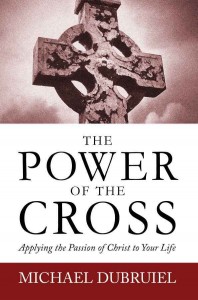 The Power of the Cross is now available as a free e-book,
check out more information by going here
Check out more at the Discerning Hearts’ Michael Dubruiel page
Tags: michael dubruiel, The Power of the Cross
This entry was posted on Sunday, March 9th, 2014 at 12:18 am
You can follow any responses to this entry through the RSS 2.0 feed.
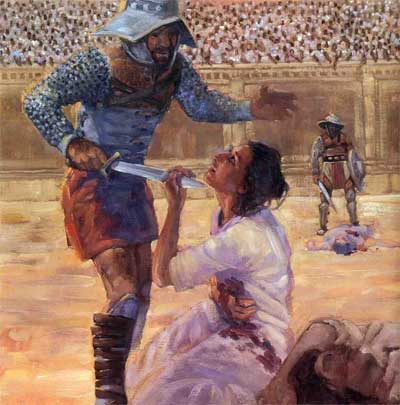
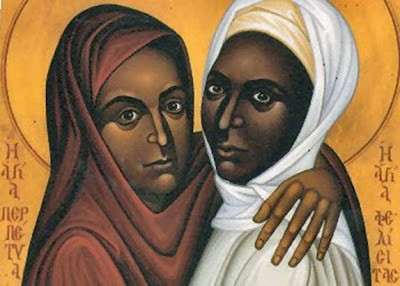
[powerpress]Mike Aquilina offers the compelling story of the St. Perpetua and her great friend and sister in the faith, St. Felicity.
From CNA:
Saints Perpetua and Felicity were martyrs who died for the faith around the year 203.
St. Perpetua was a young, well-educated, noblewoman and mother living in the city of Carthage in North Africa. Her mother was a Christian and her father was a pagan. In terms of her faith, Perpetua followed the example of her mother. Despite the pleas of her father to deny her faith, Perpetua did the very opposite, and fearlessly proclaimed it. At the age of 22, she was imprisoned for her faith. While in prison she continued to care for her infant child and put up with the tortures designed to make her renounce her faith. Perpetua remained steadfast until the end. St. Perpetua was sacrificed at the games as a public spectacle for not renouncing her faith.
St. Felicity was a pregnant slave girl who was imprisoned with St. Perpetua. Little is known about the life of St. Felicity because, unlike Perpetua, she did not keep a diary of her life. After imprisonment and torture, Felicity was also condemned to die at the games. Only a few days before her execution, Felicity gave birth to a daughter who was secretly taken away to be cared for by some of the Faithful.The feast of these Saints is March 7.
Tags: faith, mike aquilina, mother, perpetua
This entry was posted on Friday, March 7th, 2014 at 12:22 am
You can follow any responses to this entry through the RSS 2.0 feed.
“Fasting for the kingdom of God”
[powerpress]
an excerpt from today’s reflection by Don Schwager:
Are you hungry for God? Hungering for God and fasting for his kingdom go hand in hand. When asked why he and his disciples did not fast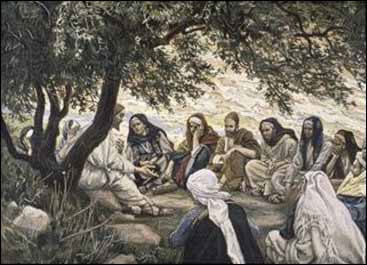 Jesus used the vivid picture of a wedding celebration. In Jesus’ time the newly wed celebrated their honeymoon at home for a whole week with all the guests! This was a time of great feasting and celebrating. Jesus points to himself as the bridegroom and his disciples as the bridegroom’s friends. He alludes to the fact that God takes delight in his people as a groom delights in his bride (Isaiah 62:5). To be in God’s presence is pure delight and happiness. But Jesus also reminds his followers that there is a time for fasting and for humbling oneself in preparation for the coming of God’s kingdom and for the return of the Messianic King. The Lord’s disciples must also bear the cross of affliction and purification. For the disciple there is both a time for rejoicing in the Lord’s presence and celebrating his goodness and a time for seeking the Lord with humility, fasting, and mourning for sin. If we hunger for the Lord, he will not disappoint us. His grace draws us to his throne of mercy and favor. Do you seek the Lord with confident trust and allow his Holy Spirit to transform your life with his power and grace?
What kind of fasting is pleasing to God? Fasting can be done for a variety of reasons – to gain freedom from some bad habit, addiction, or vice, to share in the suffering of those who go without, or to grow in our hunger for God and for the things of heaven. Basil the Great wrote: “Take heed that you do not make fasting to consists only in abstinence from meats. True fasting is to refrain from vice. Shred to pieces all your unjust contracts. Pardon your neighbors. Forgive them their trespasses.†Do you hunger to know God more, to grow in his holiness, and to live the abundant life of grace he offers you?
“Come Lord, work upon us, set us on fire and clasp us close, be fragrant to us, draw us to your loveliness, let us love, let us run to you.” (Prayer of St. Augustine)
for the full reflection visit : Daily Reading and Meditation
Tags: catholic, catholic podcast, catholic prayer
This entry was posted on Friday, March 7th, 2014 at 12:13 am
You can follow any responses to this entry through the RSS 2.0 feed.
“Whoever loses his life for my sake will save it”
[powerpress]
an excerpt from today’s reflection by Don Schwager:
Do you know the healing, transforming power of the cross? When Jesus predicted his passion his disciples were dismayed.  Rejection and crucifixion meant defeat and condemnation, not victory and freedom. How could Jesus’ self-denial, suffering and death lead to victory and life? Through his obedience to his Father’s will, Jesus reversed the curse of Adam’s disobedience. His death on the cross won pardon for the guilty, freedom for the oppressed, healing for the afflicted, and new life for those condemned to death. His death makes possible our freedom to live as sons and daughters of God. There’s a certain paradox in God’s economy. We lose what we gain, and we gain what we lose. When we try run our life our own way, we end up losing it to futility. Only God can free us from our ignorance and sinful ways. When we surrender our lives to God, he gives us new life in his Spirit and the pledge of eternal life. God wants us to be spiritually fit to serve him at all times. When the body is very weak or ill, we make every effort to nurse it back to health. How much more effort and attention should we give to the spiritual health of our hearts and minds!
The cross of Jesus Christ leads to freedom and victory over sin and death. What is the cross which Christ commands me to take up each day as his disciple? When my will crosses with his will, then his will must be done. The way of the cross involves sacrifice, the sacrifice of laying down my life each and every day for Jesus’ sake. What makes such sacrifice possible and “sweet” is the love of God poured out for us in the blood of Jesus Christ. Paul the Apostle reminds us that “God’s love has been poured into our hearts through the Holy Spirit” (Romans 5:5). We can never outgive God. He always gives us more than we can expect or imagine. Are you ready to lose all for Christ in order to gain all with Christ?
“Lord Jesus, I give you my hands to do your work. I give you my feet to go your way. I give you my eyes to see as you do. I give you my tongue to speak your words. I give you my mind that you may think in me. I give you my spirit that you may pray in me. Above all, I give you my heart that you may love in me, your Father, and all mankind. I give you my whole self that you may grow in me, so that it is you, Lord Jesus, who live and work and pray in me.” (Prayer from The Grail)
for the full reflection visit : Daily Reading and Meditation
Tags: Jesus, jesus christ, Lord Jesus
This entry was posted on Thursday, March 6th, 2014 at 12:47 am
You can follow any responses to this entry through the RSS 2.0 feed.
[powerpress]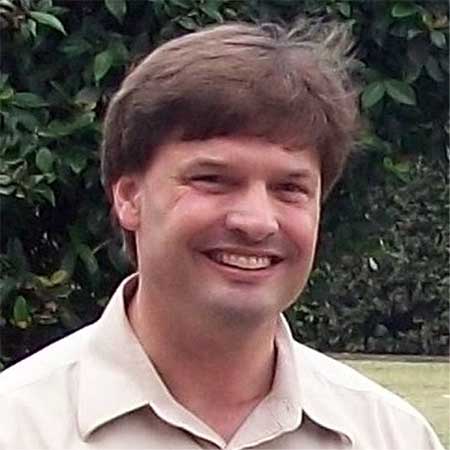
From Dr. Anthony Lilles’ blog “Beginning to Pray”
During Lent, we dedicate ourselves to prayer, fasting and almsgiving. Â These practices are simple ways of expressing our gratitude to Jesus for what He has done for us. Â This in fact is the very nature of penance. Â Penance is love which responds to mercy – and this love is not content with words, thoughts and feelings. Â This love needs to express itself in a prayer the cries from the heart, in sacrifice that really costs, and in little hidden acts of kindness which comfort those who most need it.
Why do we allow God to implicate us in the plights of others, especially during Lent? Â God’s love suffers the personal plight each of us. Â He does this because He does not want us to suffer alone. Â So He seeks us out in our suffering – the suffering that we have brought on ourselves and the suffering that others have brought on us. Â He is concerned about our dignity and He is ready to do whatever it takes that we might be rectified and stand with Him who is Love Himself. Â The extent to which He enters into our misery for this purpose is revealed on the Cross. Â If we are to be His disciples, we must pick up our cross and follow Him. Â This is how the Lord extends His saving mystery through space and time – He loves us so much He implicates us in this great work of His Love.
No matter how many times we fail, no matter how great our weaknesses, no matter how inadequate we are to the demands of love — He is there with us, loving us, providing exactly what we need in the moment, and this because He really loves us that much. Â How can we not respond by offering Him food and drink when we recognize Him in the disguise of those who hunger and thirst? Â How can we not respond by forgoing a little comfort and convenience when He has already suffered so much discomfort and inconvenience for us? Â How can we not respond by praying for those who need the love of God when He has never forgotten us in His love for the Father?
When prayer, sacrifice and generosity come together in thanksgiving to God for His goodness to us, deep places of the heart are purified and we rediscover the joy humanity was meant to know from the beginning. Â Lent is all about this joy – a joy God’s love allows us to know, the joy of being sons and daughters of God, the joy of heart so beautiful it would be wrong not to share it with those who need a little joy as well.
Dr. Anthony Lilles is the author of “Hidden Mountain, Secret Garden”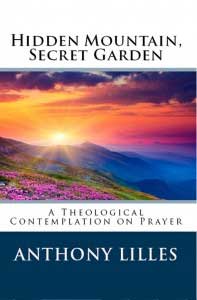
Available at Amazon.com as an ebook (click here), a paperback edition (click here).  You may also order a paperback edition at createspace.com.
Tags: catholic, catholic podcast, catholic prayer
This entry was posted on Wednesday, March 5th, 2014 at 1:56 pm
You can follow any responses to this entry through the RSS 2.0 feed.
Episode 1 – The Preliminary Lenten Days – Ash Wednesday through Saturday of that week.
[powerpress]
In “The Power of the Cross”, Michael Dubruiel penned a truly exceptional meditation on the Cross of Christ which serves beautifully as a source for reflection any time of the year, but it is particularly poignant and compelling during the weeks of Lent. Several years ago Bruce and I had the chance to have a series of conversations with Michael during Lent using his book for reflection…it was a big hit with the audience. Those discussions have been remastered and made available once again here. Michael died unexpectedly in of February 2009, but his gifts continue to be shared through his books and many other venues, and hopefully through this humble portal. The sentiments and teachings Michael offers is truly timeless.
Episode 1 – The Preliminary Lenten Days – Michael discusses:
Ash Wednesday – Eternal Life or Death?
Thursday – Jesus’ Invitation
Friday – How Much We Need Jesus
Saturday – A Matter of Life and Death
Michael’s wife, author Amy Welborn, has made “The Power of the Cross” available as a free e-book available over the internet ! Â I HIGHLY encourage you to download this exceptional work…there also plans to make it once again available as a paperback book.
The Power of the Cross is now available as a free e-book,
check out more information by going here
Check out more at the Discerning Hearts’ Michael Dubruiel page
Tags: michael dubruiel, The Power of the Cross
This entry was posted on Wednesday, March 5th, 2014 at 9:10 am
You can follow any responses to this entry through the RSS 2.0 feed.
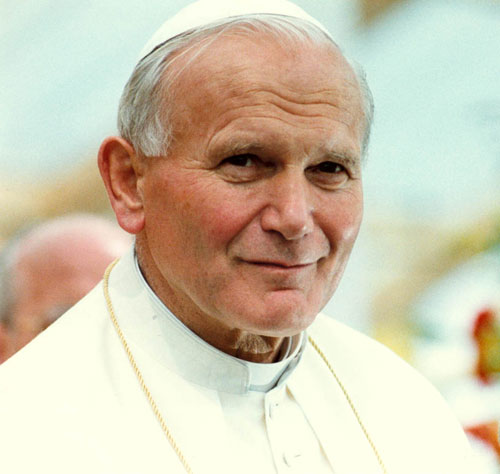
“We must find a way to discuss the human future intellectually. Â The universal moral law written on the human heart is precisely that kind of grammar which is needed if the world is to engage in this discussion of it’s future” Â Bl. Pope John Paull II
[powerpress]
WOL1 – Episode 1 – What is “liberal modernity”?  Maybe not so modern?  The revolution in political philosophy…like the thought of  Thomas Hobbes, John Locke…what is “good” and what are the problems.  Why is it important to discern between “self-interest” and the dignity of each human person?  Why is Bl. John Paul’s thought relevant to Western Liberalism?  What is the “Culture of Death” and the climate of moral confusion?  The moral law is the path to life.
The Way of Life, Carson Holloway examines the fundamental philosophers of modernity-from Hobbes to Toqueville-to suggest that John Paul II’s critique of modernity is intended not to reject, but to improve. Thus, claims Holloway, it is appropriate for liberal modernity to attend to the Pope’s thought, receiving it not as the attack of an enemy but as the criticism of a candid friend.
 Â
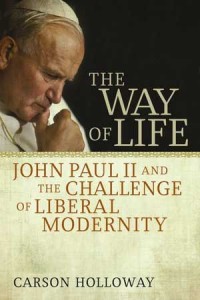
This series is based on Dr. Holloway’s book “The Way of Life”
Tags: catholic, catholic podcast, catholic prayer
This entry was posted on Wednesday, March 5th, 2014 at 8:22 am
You can follow any responses to this entry through the RSS 2.0 feed.
“When you pray, fast, and give alms”
[powerpress]
an excerpt from today’s reflection by Don Schwager: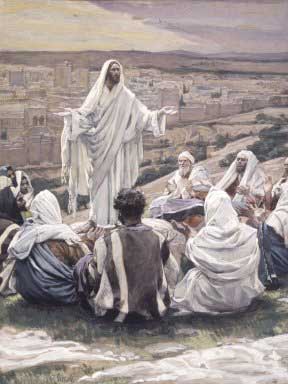
Why did Jesus single out prayer, fasting, and almsgiving for his disciples? The Jews considered these three as the cardinal works of the religious life. These were seen as the key signs of a pious person, the three great pillars on which the good life was based. Jesus pointed to the heart of the matter. Why do you pray, fast, and give alms? To draw attention to yourself so that others may notice and think highly of you? Or to give glory to God? The Lord warns his disciples of self-seeking glory – the preoccupation with looking good and seeking praise from others. True piety is something more than feeling good or looking holy. True piety is loving devotion to God. It is an attitude of awe, reverence, worship and obedience. It is a gift and working of the Holy Spirit that enables us to devote our lives to God with a holy desire to please him in all things (Isaiah 11:1-2).
What is the sure reward which Jesus points out to his disciples? It is communion with God our Father. In him alone we find the fulness of life, happiness, and truth. May Augustine’s prayer, recorded in his Confessions, be our prayer this Lent: When I am completely united to you, there will be no more sorrows or trials; entirely full of you, my life will be complete. The Lord wants to renew us each day and give us new hearts of love and compassion. Do you want to grow in your love for God and for your neighbor? Seek him expectantly in prayer, with fasting, and in generous giving to those in need.
The forty days of Lent is the annual retreat of the people of God in imitation of Jesus’ forty days in the wilderness. Forty is a significant number in the scriptures. Moses went to the mountain to seek the face of God for forty days in prayer and fasting. The people of Israel were in the wilderness for forty years in preparation for their entry into the promised land. Elijah fasted for forty days as he journeyed in the wilderness to the mountain of God. We are called to journey with the Lord in a special season of prayer, fasting, almsgiving, and penitence as we prepare to celebrate the feast of Easter, the Christian Passover. The Lord gives us spiritual food and supernatural strength to seek his face and to prepare ourselves for spiritual combat and testing. We, too, must follow in the way of the cross in order to share in the victory of Christ’s death and resurrection. As we begin this holy season of testing and preparation, let’s ask the Lord for a fresh outpouring of his Holy Spirit that we may grow in faith, hope, and love and embrace his will more fully in our lives.
“Lord Jesus, give me a lively faith, a firm hope, a fervent charity, and a great love of you. Take from me all lukewarmness in the meditation of your word, and dullness in prayer. Give me fervor and delight in thinking of you and your grace, and fill me with compassion for others, especially those in need, that I may respond with generosity.”
for the full reflection visit : Daily Reading and Meditation
Tags: catholic, catholic podcast, catholic prayer
This entry was posted on Wednesday, March 5th, 2014 at 12:01 am
You can follow any responses to this entry through the RSS 2.0 feed.
Episode 7 -The Way of Mystery: The Eucharist and Moral Living 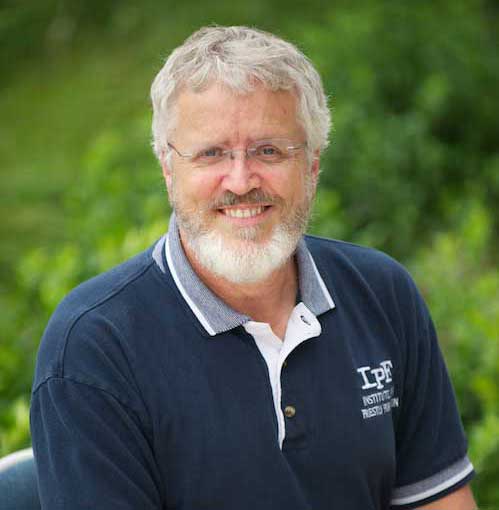
The Liturgy of the Word part 1 Christ entering us through language. The difference in our attitude of being an “audience” and being in an attitude of prayer. How the Word sets us free
[powerpress]
For more episodes in “The Way of Mystery” Series click here
Deacon James Keating, PhD, the director of Theological Formation for the Institute for Priestly Formation, located at Creighton University, in Omaha, is making available to â€Discerning Hearts†and all who listen, his series of programs entitled “The Way of Mysteryâ€.
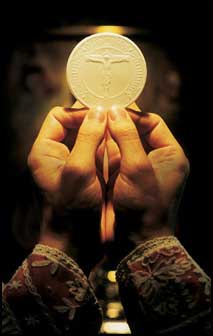 The Vatican II documents remind us that the spiritual journey is not made in a vacuum, that God has chosen to save us, not individually, but as The People of God. The Eucharist must help Christians to make their choices by discerning out of Christ’s paschal mystery. For this process to take place, however, Christians must first understand how the Eucharist puts them in touch with Christ’s passion, death, and resurrection, and what concrete implications being in touch with this mystery has for their daily lives.

For more information on the “Institute of Priestly Formation†and for other material available by Deacon Keating, just click here
Don’t forget to pickup a copy of “Communion with Christ†, it is one of the best audio sets on prayer…ever!
Check out Deacon Keating’s “Discerning Heart†page
Tags: catholic, catholic podcast, catholic prayer
This entry was posted on Tuesday, March 4th, 2014 at 4:20 pm
You can follow any responses to this entry through the RSS 2.0 feed.
[powerpress]There’s nobody I enjoy spending Ash Wednesday with more than Mike Aquilina. Mike  offers us rich insights on the practice of prayer, fasting and almsgiving from the perspective of the early church. He also helps us to see how we can concretely live out all three and further enrich our spiritual lives and help those around us to see Christ more fully in us and the Church. We like Mike! He’s awesome!
Be sure to visit Mike’s Discerning Hearts page for more from Mike.
Tags: mike aquilina, rich insights, the early Church
This entry was posted on Tuesday, March 4th, 2014 at 3:49 pm
You can follow any responses to this entry through the RSS 2.0 feed.